
自定义模型 架构
My friend lived in a poorly renovated home in Fremantle, Western Australia. Like many houses in the area, it was built in the early 20th century.
我的朋友住在西澳大利亚州弗里曼特尔(Fremantle)一座装修不良的房屋中。 像该地区的许多房屋一样,它建于20世纪初期。
So the original structure — an adorable shack with limestone cladding, jarrah floorboards and ornate cornices — was beautiful.
因此,原始结构很漂亮-一个可爱的小屋,上面铺着石灰石覆盖层,jarrah地板和华丽的檐口。
But, in the 70s, the owners at the time built another room onto the back which was made out of red brick and, curiously, had a dome entrance and carpeted floors.
但是,在70年代,当时的业主在后座上盖了另一间用红砖砌成的房间,奇怪的是,它有圆顶入口和铺有地毯的地板。
The next renovation, by the next owners, saw a kitchen with linoleum floors and green walls.
下一位业主进行的下一次装修,看到了一个带有油毡地板和绿色墙壁的厨房。
Many more owners and distasteful changes later, the once charming limestone cottage became a bizarre amalgamation of subsequent owners’ preferences.
后来有了更多的业主和令人讨厌的变化,曾经迷人的石灰岩小屋变成了后来业主的偏爱的怪异组合。
The structure had an identity crisis and, in turn, looked like a shambles.
该结构存在身份危机,反过来看起来像是一团糟。
Let’s call that House A.
我们称它为A房。
Next to this home is another, an exact replica of the early 20th-century limestone cottage.
这座房子旁边是另一座20世纪早期石灰岩小屋的精确复制品。
Let’s call this House B.
我们称这个房子为B。
House B had a few makeovers too. But they were evidently aligned with the original design.
房屋B也进行了一些改建。 但是它们显然与原始设计保持一致。
The renovations and additions had similar details, quirks and materials. In fact, in the backyard (shhh, I just peeped once), there was a new granny flat made out the same limestone of the original house.
装修和增建有相似的细节,怪异之处和材料。 实际上,在后院(嘘,我刚刚偷窥过一次),有一个新的奶奶公寓,用与原始房屋相同的石灰石制成。
Unlike House A, House B was an architectural marvel — all because the owners took the time to understand how the home could evolve and change with the times while continuing to stay true to the original design identity.
与A房屋不同,B房屋是一个建筑奇迹-所有这些都是因为业主花时间了解房屋如何与时俱进并不断变化,同时继续忠于原始设计身份。
As you may have guessed, in the business world, the art of creating Brand Architecture is similar to that of creating House B. Or, if you do a haphazard job, like House A.
您可能已经猜到,在商业世界中,创建品牌架构的艺术类似于创建房屋B的艺术。或者,如果您做随意的工作,例如房屋A。

After all, like old houses, companies change with the context of the times and with the people who own and run them. They expand, merge, reposition, and acquire other businesses.
毕竟,就像老房子一样,公司会随着时代的背景以及拥有和经营它们的人而发生变化。 他们扩展,合并,重新定位并收购其他业务。
In turn, there can be a lot of clutter and confusion, both externally (in the eyes of the market) and internally (how teams work with each other and streamline processes). This usually leads to the following challenges:
反过来,在外部(在市场的眼中)和内部(团队之间的合作方式和流程简化)都可能存在很多混乱和混乱。 这通常导致以下挑战:
- Customers don’t understand your full list of services or products 客户不了解您的服务或产品的完整列表
- You have one product that vastly out-performs your other suite of products. Or vice versa (you have an underperforming one). 您拥有一个产品,其性能大大优于其他产品。 反之亦然(您表现不佳)。
- You don’t know how to create efficient processes across various in-house teams. 您不知道如何在各个内部团队之间创建有效的流程。
- Your marketing strategy is all over the place 您的营销策略无处不在
- You’ve recently acquired a business and you’re struggling to seamlessly integrate the product or service into your existing portfolio of offerings.您最近已经收购了一家企业,并且正在努力将产品或服务无缝集成到您现有的产品组合中。
- You’re restructuring and you’re unclear about what is wise to cut loose and what to keep. 您正在进行重组,您不清楚应该削减哪些内容以及保留哪些内容。
- The company’s identity is becoming diluted in a competitive market. 在竞争激烈的市场中,公司的形象正逐渐淡化。
The list, of course, goes on. Top-level confusion filters down to countless issues around mismanagement, inefficiency, and an inability to communicate your value in the market with clarity, purpose, and oomph.
当然,这个清单还在继续。 顶级的混乱可以过滤掉无数的问题,包括管理不善,效率低下以及无法清晰,目的明确地传达您的市场价值。
When you’re able to zoom out and get a birds-eye-view of what’s going on, your life gets a lot easier. You can:
当您能够放大并鸟瞰正在发生的事情时,您的生活就会轻松很多。 您可以:
- Stay organized internally 内部保持井井有条
- Manage perception管理知觉
- Clarify positioning and messaging明确定位和消息传递
- Reduce marketing costs降低营销成本
- Create harmony across every moving part在每个运动部件中创造和谐
To achieve that, you need to know the different types of Brand Architecture and choose the type of structure that suits your company. Before we go into how to do that, though, let’s define a few things.
为此,您需要了解不同类型的品牌架构,并选择适合您公司的架构类型。 但是,在进行操作之前,我们先定义一些事情。
品牌架构,定义 (Brand architecture, a definition)
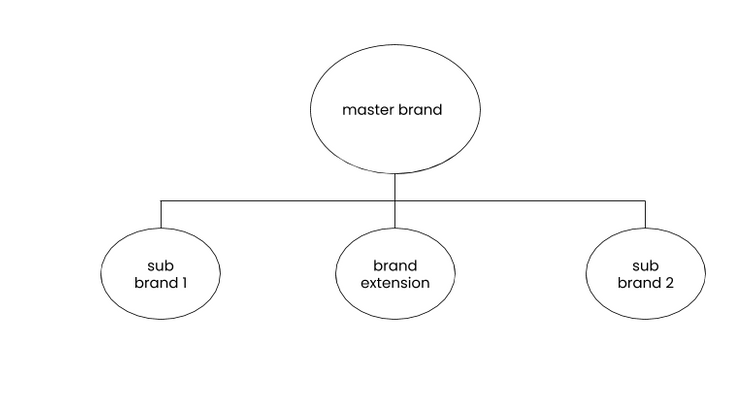
Brand architecture is the organizational structure of a company’s portfolio. Almost like a family tree. But with companies. It includes three elements (most of the time)
品牌架构是公司投资组合的组织结构。 几乎像一棵家谱。 但是与公司有关。 它包含三个元素(大多数时间)
- The master brand: This is the top-level corporate brand of which all the brands, products, services sit under. 主品牌:这是所有品牌,产品和服务所处的顶级企业品牌。
- Sub-brand: The product or service that is in the same family tree as the master brand but has its own name and identity. 子品牌:与主品牌位于同一家谱中但具有自己的名称和标识的产品或服务。
- Brand extension: The process of using an established brand name on a new product 品牌扩展:在新产品上使用已建立的品牌名称的过程
版权声明:本文内容由互联网用户自发贡献,该文观点仅代表作者本人。本站仅提供信息存储空间服务,不拥有所有权,不承担相关法律责任。如发现本站有涉嫌侵权/违法违规的内容,请联系我们,一经查实,本站将立刻删除。
如需转载请保留出处:https://51itzy.com/kjqy/53793.html