
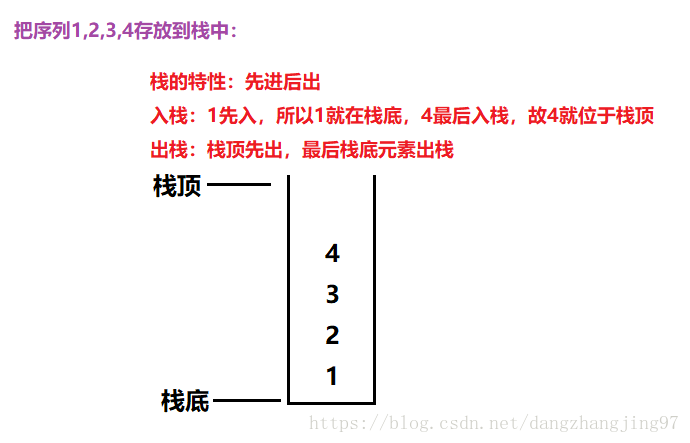
栈的特性:先进后出
讯享网
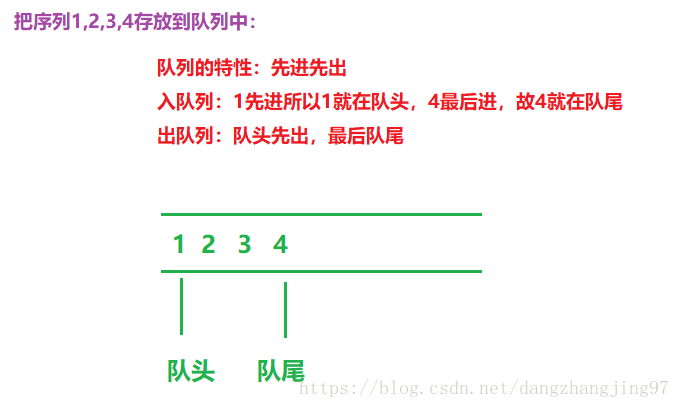
队列的特性:先进先出
解析:使用两个栈来实现一个队列,其实就是组合两个栈,来实现队列,栈是先进后出,队列是先进先出,可使用以下操作使用栈来实现队列:
一、入队列:
把需要存放的元素插入到栈1中

代码:
void push(const T&data){ stack1.push(data); }讯享网
二、出队列:
把栈1中的元素依次插入到栈2中
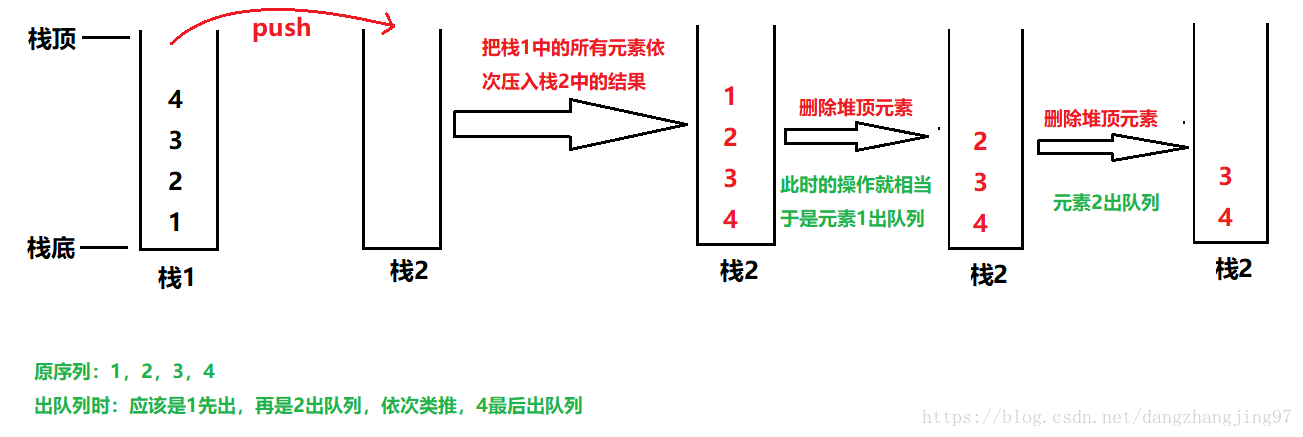
ps:此时栈顶元素就是需要出队列的元素
代码:
讯享网void Pop() { //如果两个栈都是空栈,此时说明队列是空的 if (stack1.empty() && stack2.empty()) cout << "this queue is empty" << endl; //如果栈2中有元素,那出队列就出栈2中的 if (!stack2.empty()){ stack2.pop(); } //此时表明栈2已是空栈,再要出队列的话,那就需要把栈1中的所有元 //素入栈到栈2中,注意一定要是栈1中的所有元素都入栈到栈2中 else{ while (stack1.size() > 0){ stack2.push(stack1.top()); stack1.pop(); } stack2.pop(); } }
有返回值的Pop函数(此返回值为队头元素):
T&Pop() { T head; //如果两个栈都是空栈,此时说明队列是空的 if (stack1.empty() && stack2.empty()) cout << "this queue is empty" << endl; //如果栈2中有元素,那出队列就出栈2中的 if (!stack2.empty()){ head = stack2.top(); stack2.pop(); } //此时表明栈2已是空栈,再要出队列的话,那就需要把栈1中的所有元 //素入栈到栈2中,注意一定要是栈1中的所有元素都入栈到栈2中 else{ while (stack1.size() > 0){ stack2.push(stack1.top()); stack1.pop(); } head = stack2.top(); stack2.pop(); } return head; }三、获取队头元素
队列的队头位于栈2的栈顶
只要栈2不空,那就返回栈2的栈顶元素
如果栈2为空,那就把栈1中的所有元素全部压入栈2中,再取栈顶
讯享网T&Front()//获取队头元素,此时队头位于栈2的栈顶 { assert(!stack1.empty() || !stack2.empty()); if (stack2.empty()){ while (!stack1.empty()){ stack2.push(stack1.top()); stack1.pop(); } } return stack2.top(); }
源代码
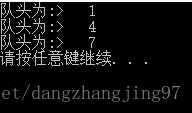
#include<iostream> #include<stack> #include<assert.h> using namespace std; template<class T> class Queue { public: //入队列 void push(const T&data){ stack1.push(data); } //出队列 void Pop() { //如果两个栈都是空栈,此时说明队列是空的 if (stack1.empty() && stack2.empty()) cout << "this queue is empty" << endl; //如果栈2中有元素,那出队列就出栈2中的 if (!stack2.empty()){ stack2.pop(); } //此时表明栈2已是空栈,再要出队列的话,那就需要把栈1中的所有元 //素入栈到栈2中,注意一定要是栈1中的所有元素都入栈到栈2中 else{ while (stack1.size() > 0){ stack2.push(stack1.top()); stack1.pop(); } stack2.pop(); } } T&Front()//获取队头元素,此时队头位于栈2的栈顶 { assert(!stack1.empty() || !stack2.empty()); if (stack2.empty()){ while (!stack1.empty()){ stack2.push(stack1.top()); stack1.pop(); } } return stack2.top(); } private: stack<T> stack1; stack<T> stack2; }; void TestQueue() { Queue<int> q; q.push(1); q.push(2); q.push(3); q.push(4); q.push(5); cout << "队头为:> "<<q.Front() << endl; q.Pop(); q.Pop(); q.Pop(); cout << "队头为:> " << q.Front() << endl; q.push(6); q.push(7); q.push(8); q.push(9); q.Pop(); q.Pop(); q.Pop(); cout << "队头为:> " << q.Front() << endl; } int main() { TestQueue(); system("pause"); return 0; }运行结果:
Pop函数中返回队头元素时的源代码
讯享网#include<iostream> #include<stack> #include<assert.h> using namespace std; template<class T> class Queue { public: //入队列 void push(const T&data){ stack1.push(data); } //出队列 T&Pop() { T head; //如果两个栈都是空栈,此时说明队列是空的 if (stack1.empty() && stack2.empty()) cout << "this queue is empty" << endl; //如果栈2中有元素,那出队列就出栈2中的 if (!stack2.empty()){ head = stack2.top(); stack2.pop(); } //此时表明栈2已是空栈,再要出队列的话,那就需要把栈1中的所有元 //素入栈到栈2中,注意一定要是栈1中的所有元素都入栈到栈2中 else{ while (stack1.size() > 0){ stack2.push(stack1.top()); stack1.pop(); } head = stack2.top(); stack2.pop(); } return head; } T&Front()//获取队头元素,此时队头位于栈2的栈顶 { assert(!stack1.empty() || !stack2.empty()); if (stack2.empty()){ while (!stack1.empty()){ stack2.push(stack1.top()); stack1.pop(); } } return stack2.top(); } private: stack<T> stack1; stack<T> stack2; }; void TestQueue() { Queue<int> q; q.push(1); q.push(2); q.push(3); q.push(4); q.push(5); cout <<"队头为:> "<< q.Pop() << endl; cout << "队头为:> " << q.Pop() << endl; } int main() { TestQueue(); system("pause"); return 0; }
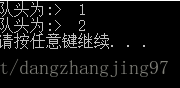
ps:是先返回队头,然后在Pop的,所以第一次输出队头为1,第二次输出队头为2
版权声明:本文内容由互联网用户自发贡献,该文观点仅代表作者本人。本站仅提供信息存储空间服务,不拥有所有权,不承担相关法律责任。如发现本站有涉嫌侵权/违法违规的内容,请联系我们,一经查实,本站将立刻删除。
如需转载请保留出处:https://51itzy.com/kjqy/28911.html