
看来你已经准备好了项目的核心结构和路线图。这份内容非常扎实,它不仅是一个代码库,更像是一套 Agent 架构师的修炼路径。
为了配合你将这些内容转化为高质量的博客,我建议将这篇博文结构化为 “理论模型 -> 12 级演进阶梯 -> 快速实操” 的模式。
1. 开篇:从“黑盒”到“白盒”
- 痛点引入: 现在的 Agent 框架(如 LangChain, CrewAI)功能强大但过于臃肿。
- 项目初衷: 模仿 Claude Code 的极简与高效,用最纯粹的 Python 代码(0 到 1)拆解智能体的每一个核心零件。
- 核心哲学:“One Loop to Rule Them All”。无论多么复杂的 Agent,本质都是一个不断处理
tool_use的while循环。
2. 四大演进阶段(Learning Path 可视化)
你可以直接引用你的阶段划分,并为每个阶段总结一个“技术灵魂”:
- Phase 1: 基础循环 (The Loop)
- 技术点: 处理
stop_reason,建立dispatch map。 - 感悟: Agent 的生命力在于它能反复感知并响应环境。
- Phase 2: 认知升级 (Planning & Knowledge)
- 技术点: Todo 管理、上下文压缩(Context Compact)。
- 感悟: 记忆不是无限的,聪明的 Agent 懂得如何“遗忘”和“规划”。
- Phase 3: 工程化持久性 (Persistence)
- 技术点: 文件系统驱动的任务图、后台守护进程(Daemon)。
- 感悟: 能够处理长时任务(Long-running tasks)是玩具与工具的分水岭。
- Phase 4: 集群作战 (Teams)
- 技术点: JSONL 信箱协议、自主领任务、隔离工作区。
- 感悟: 多智能体不是简单的并行,而是有序的协作与资源隔离。
3. 代码展示:核心循环的魅力
在博客中贴出你那段简洁的 def agent_loop(messages):。这段代码是整个项目的灵魂,展示了如何通过简单的 if response.stop_reason != “tool_use”: return 控制整个智能体的生命周期。
4. 快速开始与交互体验
- 引导读者通过
git clone快速上手。 - 亮点推荐: 重点提到你的 Web Platform(Next.js 打造成的可视化平台)。对于学习者来说,能看到 Agent 思考过程的“单步调试”和“拓扑图”是极具吸引力的。
[ s01 ] s02 > s03 > s04 > s05 > s06 | s07 > s08 > s09 > s10 > s11 > s12
“One loop & Bash is all you need” – 一个工具 + 一个循环 = 一个智能体。
语言模型能推理代码, 但碰不到真实世界 – 不能读文件、跑测试、看报错。没有循环, 每次工具调用你都得手动把结果粘回去。你自己就是那个循环。
解决方案
GPT plus 代充 只需 145+--------+ +-------+ +---------+| User | ---> | LLM | ---> | Tool || prompt | | | | execute |+--------+ +---+---+ +----+----+ ^ | | tool_result | +----------------+ (loop until stop_reason != "tool_use")
一个退出条件控制整个流程。循环持续运行, 直到模型不再调用工具。
工作原理
- 用户 prompt 作为第一条消息。
messages.append({"role": "user", "content": query}) - 将消息和工具定义一起发给 LLM。
GPT plus 代充 只需 145response = client.messages.create( model=MODEL, system=SYSTEM, messages=messages, tools=TOOLS, max_tokens=8000,)
- 追加助手响应。检查
stop_reason– 如果模型没有调用工具, 结束。
messages.append({"role": "assistant", "content": response.content})if response.stop_reason != "tool_use": return - 执行每个工具调用, 收集结果, 作为 user 消息追加。回到第 2 步。
GPT plus 代充 只需 145results = []for block in response.content: if block.type == "tool_use": output = run_bash(block.input["command"]) results.append({ "type": "tool_result", "tool_use_id": block.id, "content": output, })messages.append({"role": "user", "content": results})
组装为一个完整函数:
def agent_loop(query): messages = [{"role": "user", "content": query}] whileTrue: response = client.messages.create( model=MODEL, system=SYSTEM, messages=messages, tools=TOOLS, max_tokens=8000, ) messages.append({"role": "assistant", "content": response.content}) if response.stop_reason != "tool_use": return results = [] for block in response.content: if block.type == "tool_use": output = run_bash(block.input["command"]) results.append({ "type": "tool_result", "tool_use_id": block.id, "content": output, }) messages.append({"role": "user", "content": results}) 不到 30 行, 这就是整个智能体。后面 11 个章节都在这个循环上叠加机制 – 循环本身始终不变。
变更内容
while True + stop_reason Tools (无)
bash (单一工具) Messages (无) 累积式消息列表 Control flow (无)
stop_reason != "tool_use"
s01 > [ s02 ] s03 > s04 > s05 > s06 | s07 > s08 > s09 > s10 > s11 > s12
“加一个工具, 只加一个 handler” – 循环不用动, 新工具注册进 dispatch map 就行。
只有 bash 时, 所有操作都走 shell。cat 截断不可预测, sed 遇到特殊字符就崩, 每次 bash 调用都是不受约束的安全面。专用工具 (read_file, write_file) 可以在工具层面做路径沙箱。
关键洞察: 加工具不需要改循环。
解决方案
GPT plus 代充 只需 145+--------+ +-------+ +------------------+| User | ---> | LLM | ---> | Tool Dispatch || prompt | | | | { |+--------+ +---+---+ | bash: run_bash | ^ | read: run_read | | | write: run_wr | +-----------+ edit: run_edit | tool_result | } | +------------------+The dispatch map is a dict: {tool_name: handler_function}.One lookup replaces any if/elif chain.
工作原理
- 每个工具有一个处理函数。路径沙箱防止逃逸工作区。
def safe_path(p: str) -> Path: path = (WORKDIR / p).resolve() if not path.is_relative_to(WORKDIR): raise ValueError(f"Path escapes workspace: {p}") return pathdef run_read(path: str, limit: int = None) -> str: text = safe_path(path).read_text() lines = text.splitlines() if limit and limit < len(lines): lines = lines[:limit] return " ".join(lines)[:50000] - dispatch map 将工具名映射到处理函数。
GPT plus 代充 只需 145TOOL_HANDLERS =
- 循环中按名称查找处理函数。循环体本身与 s01 完全一致。
for block in response.content: if block.type == "tool_use": handler = TOOL_HANDLERS.get(block.name) output = handler(block.input) if handler else f"Unknown tool: {block.name}" results.append({ "type": "tool_result", "tool_use_id": block.id, "content": output, }) 加工具 = 加 handler + 加 schema。循环永远不变。
相对 s01 的变更
TOOL_HANDLERS 字典 路径安全 无
safe_path() 沙箱 Agent loop 不变 不变
s01 > s02 > [ s03 ] s04 > s05 > s06 | s07 > s08 > s09 > s10 > s11 > s12
“没有计划的 agent 走哪算哪” – 先列步骤再动手, 完成率翻倍。
多步任务中, 模型会丢失进度 – 重复做过的事、跳步、跑偏。对话越长越严重: 工具结果不断填满上下文, 系统提示的影响力逐渐被稀释。一个 10 步重构可能做完 1-3 步就开始即兴发挥, 因为 4-10 步已经被挤出注意力了。
解决方案
GPT plus 代充 只需 145+--------+ +-------+ +---------+| User | ---> | LLM | ---> | Tools || prompt | | | | + todo |+--------+ +---+---+ +----+----+ ^ | | tool_result | +----------------+ | +-----------+-----------+ | TodoManager state | | [ ] task A | | [>] task B <- doing | | [x] task C | +-----------------------+ | if rounds_since_todo >= 3: inject


      into tool_result
工作原理
- TodoManager 存储带状态的项目。同一时间只允许一个
in_progress。
class TodoManager: def update(self, items: list) -> str: validated, in_progress_count = [], 0 for item in items: status = item.get("status", "pending") if status == "in_progress": in_progress_count += 1 validated.append({"id": item["id"], "text": item["text"], "status": status}) if in_progress_count > 1: raise ValueError("Only one task can be in_progress") self.items = validated return self.render() todo工具和其他工具一样加入 dispatch map。
GPT plus 代充 只需 145TOOL_HANDLERS = { # ...base tools... "todo": lambda kw: TODO.update(kw["items"]),}
- nag reminder: 模型连续 3 轮以上不调用
todo时注入提醒。
if rounds_since_todo >= 3 and messages: last = messages[-1] if last["role"] == "user" and isinstance(last.get("content"), list): last["content"].insert(0, { "type": "text", "text": "


      Update your todos.
    ", })
“同时只能有一个 in_progress” 强制顺序聚焦。nag reminder 制造问责压力 – 你不更新计划, 系统就追着你问。
相对 s02 的变更
Agent loop 简单分发 + rounds_since_todo 计数器
s01 > s02 > s03 > [ s04 ] s05 > s06 | s07 > s08 > s09 > s10 > s11 > s12
“大任务拆小, 每个小任务干净的上下文” – 子智能体用独立 messages[], 不污染主对话。
智能体工作越久, messages 数组越胖。每次读文件、跑命令的输出都永久留在上下文里。“这个项目用什么测试框架?” 可能要读 5 个文件, 但父智能体只需要一个词: “pytest。”
GPT plus 代充 只需 145Parent agent Subagent+------------------+ +------------------+| messages=[...] | | messages=[] | <-- fresh| | dispatch | || tool: task | ----------> | while tool_use: || prompt="..." | | call tools || | summary | append results || result = "..." | <---------- | return last text |+------------------+ +------------------+Parent context stays clean. Subagent context is discarded.
工作原理
- 父智能体有一个
task工具。子智能体拥有除task外的所有基础工具 (禁止递归生成)。
PARENT_TOOLS = CHILD_TOOLS + [ {"name": "task", "description": "Spawn a subagent with fresh context.", "input_schema": { "type": "object", "properties": {"prompt": {"type": "string"}}, "required": ["prompt"], }},] - 子智能体以
messages=[]启动, 运行自己的循环。只有最终文本返回给父智能体。
GPT plus 代充 只需 145def run_subagent(prompt: str) -> str: sub_messages = [{"role": "user", "content": prompt}] for _ in range(30): # safety limit response = client.messages.create( model=MODEL, system=SUBAGENT_SYSTEM, messages=sub_messages, tools=CHILD_TOOLS, max_tokens=8000, ) sub_messages.append({"role": "assistant", "content": response.content}) if response.stop_reason != "tool_use": break results = [] for block in response.content: if block.type == "tool_use": handler = TOOL_HANDLERS.get(block.name) output = handler(block.input) results.append({"type": "tool_result", "tool_use_id": block.id, "content": str(output)[:50000]}) sub_messages.append({"role": "user", "content": results}) return"".join( b.text for b in response.content if hasattr(b, "text") ) or"(no summary)"
子智能体可能跑了 30+ 次工具调用, 但整个消息历史直接丢弃。父智能体收到的只是一段摘要文本, 作为普通 tool_result 返回。
相对 s03 的变更
run_subagent() 函数 返回值 不适用 仅摘要文本
s01 > s02 > s03 > s04 > [ s05 ] s06 | s07 > s08 > s09 > s10 > s11 > s12
“用到什么知识, 临时加载什么知识” – 通过 tool_result 注入, 不塞 system prompt。
你希望智能体遵循特定领域的工作流: git 约定、测试模式、代码审查清单。全塞进系统提示太浪费 – 10 个技能, 每个 2000 token, 就是 20,000 token, 大部分跟当前任务毫无关系。
解决方案
System prompt (Layer 1 -- always present):+--------------------------------------+| You are a coding agent. || Skills available: || - git: Git workflow helpers | ~100 tokens/skill| - test: Testing best practices |+--------------------------------------+When model calls load_skill("git"):+--------------------------------------+| tool_result (Layer 2 -- on demand): ||


      || Full git workflow instructions... | ~2000 tokens| Step 1: ... ||
     |+--------------------------------------+
第一层: 系统提示中放技能名称 (低成本)。第二层: tool_result 中按需放完整内容。
工作原理
- 每个技能是一个目录, 包含
SKILL.md文件和 YAML frontmatter。
GPT plus 代充 只需 145skills/ pdf/ SKILL.md # --- name: pdf description: Process PDF files --- ... code-review/ SKILL.md # --- name: code-review description: Review code --- ...
- SkillLoader 递归扫描
SKILL.md文件, 用目录名作为技能标识。
class SkillLoader: def __init__(self, skills_dir: Path): self.skills = {} for f in sorted(skills_dir.rglob("SKILL.md")): text = f.read_text() meta, body = self._parse_frontmatter(text) name = meta.get("name", f.parent.name) self.skills[name] = {"meta": meta, "body": body} def get_descriptions(self) -> str: lines = [] for name, skill in self.skills.items(): desc = skill["meta"].get("description", "") lines.append(f" - {name}: {desc}") return" ".join(lines) def get_content(self, name: str) -> str: skill = self.skills.get(name) ifnot skill: returnf"Error: Unknown skill '{name}'." returnf"


      {skill['body']}
" - 第一层写入系统提示。第二层不过是 dispatch map 中的又一个工具。
GPT plus 代充 只需 145SYSTEM = f"""You are a coding agent at {WORKDIR}.Skills available:"""TOOL_HANDLERS =
模型知道有哪些技能 (便宜), 需要时再加载完整内容 (贵)。
相对 s04 的变更
s01 > s02 > s03 > s04 > s05 > [ s06 ] | s07 > s08 > s09 > s10 > s11 > s12
“上下文总会满, 要有办法腾地方” – 三层压缩策略, 换来无限会话。
上下文窗口是有限的。读一个 1000 行的文件就吃掉 ~4000 token; 读 30 个文件、跑 20 条命令, 轻松突破 100k token。不压缩, 智能体根本没法在大项目里干活。
解决方案
三层压缩, 激进程度递增:
Every turn:+------------------+| Tool call result |+------------------+ | v[Layer 1: micro_compact] (silent, every turn) Replace tool_result > 3 turns old with "[Previous: used {tool_name}]" | v[Check: tokens > 50000?] | | no yes | | v vcontinue [Layer 2: auto_compact] Save transcript to .transcripts/ LLM summarizes conversation. Replace all messages with [summary]. | v [Layer 3: compact tool] Model calls compact explicitly. Same summarization as auto_compact.
- 第一层 – micro_compact: 每次 LLM 调用前, 将旧的 tool result 替换为占位符。
GPT plus 代充 只需 145def micro_compact(messages: list) -> list: tool_results = [] for i, msg in enumerate(messages): if msg[“role”] == “user” and isinstance(msg.get(“content”), list): for j, part in enumerate(msg[“content”]): if isinstance(part, dict) and part.get(“type”) == “tool_result”: tool_results.append((i, j, part)) if len(tool_results) <= KEEP_RECENT: return messages for _, _, part in tool_results[:-KEEP_RECENT]: if len(part.get(“content”, “”)) > 100: part[“content”] = f“[Previous: used {tool_name}]” return messages
- 第二层 – auto_compact: token 超过阈值时, 保存完整对话到磁盘, 让 LLM 做摘要。
def auto_compact(messages: list) -> list: # Save transcript for recovery transcript_path = TRANSCRIPTDIR / f“transcript{int(time.time())}.jsonl” with open(transcript_path, “w”) as f: for msg in messages: f.write(json.dumps(msg, default=str) + “ ”) # LLM summarizes response = client.messages.create( model=MODEL, messages=[{“role”: “user”, “content”: “Summarize this conversation for continuity…” + json.dumps(messages, default=str)[:80000]}], max_tokens=2000, ) return [ {“role”: “user”, “content”: f“[Compressed]{response.content[0].text}”}, {“role”: “assistant”, “content”: “Understood. Continuing.”}, ]
- 第三层 – manual compact:
compact工具按需触发同样的摘要机制。 - 循环整合三层:
GPT plus 代充 只需 145def agent_loop(messages: list): while True: micro_compact(messages) # Layer 1 if estimate_tokens(messages) > THRESHOLD: messages[:] = auto_compact(messages) # Layer 2 response = client.messages.create(…) # … tool execution … if manual_compact: messages[:] = auto_compact(messages) # Layer 3
完整历史通过 transcript 保存在磁盘上。信息没有真正丢失, 只是移出了活跃上下文。
相对 s05 的变更
s01 > s02 > s03 > s04 > s05 > s06 | [ s07 ] s08 > s09 > s10 > s11 > s12
“大目标要拆成小任务, 排好序, 记在磁盘上” – 文件持久化的任务图, 为多 agent 协作打基础。
s03 的 TodoManager 只是内存中的扁平清单: 没有顺序、没有依赖、状态只有做完没做完。真实目标是有结构的 – 任务 B 依赖任务 A, 任务 C 和 D 可以并行, 任务 E 要等 C 和 D 都完成。
没有显式的关系, 智能体分不清什么能做、什么被卡住、什么能同时跑。而且清单只活在内存里, 上下文压缩 (s06) 一跑就没了。
解决方案
把扁平清单升级为持久化到磁盘的任务图。每个任务是一个 JSON 文件, 有状态、前置依赖 (blockedBy) 和后置依赖 (blocks)。任务图随时回答三个问题:
- 什么可以做? – 状态为
pending且blockedBy为空的任务。 - 什么被卡住? – 等待前置任务完成的任务。
- 什么做完了? – 状态为
completed的任务, 完成时自动解锁后续任务。
.tasks/ task_1.json {“id”:1, “status”:“completed”} task_2.json {“id”:2, “blockedBy”:[1], “status”:“pending”} task_3.json {“id”:3, “blockedBy”:[1], “status”:“pending”} task_4.json {“id”:4, “blockedBy”:[2,3], “status”:“pending”}任务图 (DAG): +———-+ +–> | task 2 | –+ | | pending | |+———-+ +———-+ +–> +———-+| task 1 | | task 4 || completed| –> +———-+ +–> | blocked |+———-+ | task 3 | –+ +———-+ | pending | +———-+顺序: task 1 必须先完成, 才能开始 2 和 3并行: task 2 和 3 可以同时执行依赖: task 4 要等 2 和 3 都完成状态: pending -> in_progress -> completed 这个任务图是 s07 之后所有机制的协调骨架: 后台执行 (s08)、多 agent 团队 (s09+)、worktree 隔离 (s12) 都读写这同一个结构。
工作原理
- TaskManager: 每个任务一个 JSON 文件, CRUD + 依赖图。
GPT plus 代充 只需 145class TaskManager: def init(self, tasks_dir: Path): self.dir = tasks_dir self.dir.mkdir(exist_ok=True) self._next_id = self._max_id() + 1 def create(self, subject, description=“”): task = {“id”: self._next_id, “subject”: subject, “status”: “pending”, “blockedBy”: [], “blocks”: [], “owner”: “”} self._save(task) self._next_id += 1 return json.dumps(task, indent=2)
- 依赖解除: 完成任务时, 自动将其 ID 从其他任务的
blockedBy中移除, 解锁后续任务。
def _clear_dependency(self, completedid): for f in self.dir.glob(“task*.json”): task = json.loads(f.read_text()) if completed_id in task.get(“blockedBy”, []): task[“blockedBy”].remove(completed_id) self._save(task) - 状态变更 + 依赖关联:
update处理状态转换和依赖边。
GPT plus 代充 只需 145def update(self, task_id, status=None, add_blocked_by=None, add_blocks=None): task = self._load(task_id) if status: task[“status”] = status if status == “completed”: self._clear_dependency(task_id) self._save(task)
- 四个任务工具加入 dispatch map。
TOOL_HANDLERS = 从 s07 起, 任务图是多步工作的默认选择。s03 的 Todo 仍可用于单次会话内的快速清单。
相对 s06 的变更
task_create/update/list/get) 规划模型 扁平清单 (仅内存) 带依赖关系的任务图 (磁盘) 关系 无
blockedBy +
blocks 边 状态追踪 做完没做完
pending ->
in_progress ->
completed 持久化 压缩后丢失 压缩和重启后存活
s01 > s02 > s03 > s04 > s05 > s06 | s07 > [ s08 ] s09 > s10 > s11 > s12
“慢操作丢后台, agent 继续想下一步” – 后台线程跑命令, 完成后注入通知。
有些命令要跑好几分钟: npm install、pytest、docker build。阻塞式循环下模型只能干等。用户说 “装依赖, 顺便建个配置文件”, 智能体却只能一个一个来。
解决方案
GPT plus 代充 只需 145Main thread Background thread+—————–+ +—————–+| agent loop | | subprocess runs || … | | … || [LLM call] <—+——- | enqueue(result) || ^drain queue | +—————–++—————–+Timeline:Agent –[spawn A]–[spawn B]–[other work]—- | | v v [A runs] B runs | | +– results injected before next LLM call –+
工作原理
- BackgroundManager 用线程安全的通知队列追踪任务。
class BackgroundManager: def init(self): self.tasks = {} self._notification_queue = [] self._lock = threading.Lock() run()启动守护线程, 立即返回。
GPT plus 代充 只需 145def run(self, command: str) -> str: task_id = str(uuid.uuid4())[:8] self.tasks[task_id] = {“status”: “running”, “command”: command} thread = threading.Thread( target=self._execute, args=(task_id, command), daemon=True) thread.start() return f“Background task {task_id} started”
- 子进程完成后, 结果进入通知队列。
def _execute(self, task_id, command): try: r = subprocess.run(command, shell=True, cwd=WORKDIR, capture_output=True, text=True, timeout=300) output = (r.stdout + r.stderr).strip()[:50000] except subprocess.TimeoutExpired: output = “Error: Timeout (300s)” with self._lock: self._notification_queue.append({ “task_id”: task_id, “result”: output[:500]}) - 每次 LLM 调用前排空通知队列。
GPT plus 代充 只需 145def agent_loop(messages: list): while True: notifs = BG.drain_notifications() if notifs: notif_text = “ ”.join( f“[bg:{n[‘task_id’]}] {n[‘result’]}” for n in notifs) messages.append( “ f”“}) messages.append({”role“: ”assistant“, ”content“: ”Noted background results.“}) response = client.messages.create(…)
循环保持单线程。只有子进程 I/O 被并行化。
相对 s07 的变更
s01 > s02 > s03 > s04 > s05 > s06 | s07 > s08 > [ s09 ] s10 > s11 > s12
“任务太大一个人干不完, 要能分给队友” – 持久化队友 + JSONL 邮箱。
子智能体 (s04) 是一次性的: 生成、干活、返回摘要、消亡。没有身份, 没有跨调用的记忆。后台任务 (s08) 能跑 shell 命令, 但做不了 LLM 引导的决策。
真正的团队协作需要三样东西: (1) 能跨多轮对话存活的持久智能体, (2) 身份和生命周期管理, (3) 智能体之间的通信通道。
解决方案
Teammate lifecycle: spawn -> WORKING -> IDLE -> WORKING -> … -> SHUTDOWNCommunication: .team/ config.json <- team roster + statuses inbox/ alice.jsonl <- append-only, drain-on-read bob.jsonl lead.jsonl +——–+ send(”alice“,”bob“,”…“) +——–+ | alice | —————————–> | bob | | loop | bob.jsonl << {json_line} | loop | +——–+ +——–+ ^ | | BUS.read_inbox(”alice“) | +—- alice.jsonl -> read + drain ———+ 工作原理
- TeammateManager 通过 config.json 维护团队名册。
GPT plus 代充 只需 145class TeammateManager: def init(self, team_dir: Path): self.dir = team_dir self.dir.mkdir(exist_ok=True) self.config_path = self.dir / ”config.json“ self.config = self._load_config() self.threads = {}
spawn()创建队友并在线程中启动 agent loop。
def spawn(self, name: str, role: str, prompt: str) -> str: member = {”name“: name, ”role“: role, ”status“: ”working“} self.config[”members“].append(member) self._save_config() thread = threading.Thread( target=self._teammate_loop, args=(name, role, prompt), daemon=True) thread.start() return f”Spawned teammate ‘{name}’ (role: {role})“ - MessageBus: append-only 的 JSONL 收件箱。
send()追加一行;read_inbox()读取全部并清空。
GPT plus 代充 只需 145class MessageBus: def send(self, sender, to, content, msg_type=”message“, extra=None): msg = {”type“: msg_type, ”from“: sender, ”content“: content, ”timestamp“: time.time()} if extra: msg.update(extra) with open(self.dir / f”{to}.jsonl“, ”a“) as f: f.write(json.dumps(msg) + ” “) def read_inbox(self, name): path = self.dir / f”{name}.jsonl“ ifnot path.exists(): return”[]“ msgs = [json.loads(l) for l in path.read_text().strip().splitlines() if l] path.write_text(”“) # drain return json.dumps(msgs, indent=2)
- 每个队友在每次 LLM 调用前检查收件箱, 将消息注入上下文。
def _teammate_loop(self, name, role, prompt): messages = [{”role“: ”user“, ”content“: prompt}] for _ in range(50): inbox = BUS.read_inbox(name) if inbox != ”[]“: messages.append({”role“: ”user“, ”content“: f”


      {inbox}
    “}) messages.append({”role“: ”assistant“, ”content“: ”Noted inbox messages.“}) response = client.messages.create(…) if response.stop_reason != ”tool_use“: break # execute tools, append results… self._find_member(name)[”status“] = ”idle“
相对 s08 的变更
s01 > s02 > s03 > s04 > s05 > s06 | s07 > s08 > s09 > [ s10 ] s11 > s12
“队友之间要有统一的沟通规矩” – 一个 request-response 模式驱动所有协商。
s09 中队友能干活能通信, 但缺少结构化协调:
关机: 直接杀线程会留下写了一半的文件和过期的 config.json。需要握手 – 领导请求, 队友批准 (收尾退出) 或拒绝 (继续干)。
计划审批: 领导说 “重构认证模块”, 队友立刻开干。高风险变更应该先过审。
两者结构一样: 一方发带唯一 ID 的请求, 另一方引用同一 ID 响应。
解决方案
GPT plus 代充 只需 145Shutdown Protocol Plan Approval Protocol================== ======================Lead Teammate Teammate Lead | | | | |–shutdown_req–>| |–plan_req——>| | {req_id:”abc“} | | {req_id:”xyz“} | | | | | |<–shutdown_resp-| |<–plan_resp—–| | {req_id:”abc“, | | {req_id:”xyz“, | | approve:true} | | approve:true} |Shared FSM: [pending] –approve–> [approved] [pending] –reject—> [rejected]Trackers: shutdown_requests = } plan_requests = {req_id: {from, plan, status}}
工作原理
- 领导生成 request_id, 通过收件箱发起关机请求。
shutdown_requests = {}def handle_shutdown_request(teammate: str) -> str: req_id = str(uuid.uuid4())[:8] shutdown_requests[req_id] = BUS.send(”lead“, teammate, ”Please shut down gracefully.“, ”shutdown_request“, {”request_id“: req_id}) return f”Shutdown request {req_id} sent (status: pending)“ - 队友收到请求后, 用 approve/reject 响应。
GPT plus 代充 只需 145if tool_name == ”shutdown_response“: req_id = args[”request_id“] approve = args[”approve“] shutdown_requests[req_id][”status“] = ”approved“ if approve else ”rejected“ BUS.send(sender, ”lead“, args.get(”reason“, ”“), ”shutdown_response“, {”request_id“: req_id, ”approve“: approve})
- 计划审批遵循完全相同的模式。队友提交计划 (生成 request_id), 领导审查 (引用同一个 request_id)。
plan_requests = {}def handle_plan_review(request_id, approve, feedback=”“): req = plan_requests[request_id] req[”status“] = ”approved“ if approve else ”rejected“ BUS.send(”lead“, req[”from“], feedback, ”plan_approval_response“, {”request_id“: request_id, ”approve“: approve}) 一个 FSM, 两种用途。同样的 pending -> approved | rejected 状态机可以套用到任何请求-响应协议上。
相对 s09 的变更
s01 > s02 > s03 > s04 > s05 > s06 | s07 > s08 > s09 > s10 > [ s11 ] s12
“队友自己看看板, 有活就认领” – 不需要领导逐个分配, 自组织。
s09-s10 中, 队友只在被明确指派时才动。领导得给每个队友写 prompt, 任务看板上 10 个未认领的任务得手动分配。这扩展不了。
真正的自治: 队友自己扫描任务看板, 认领没人做的任务, 做完再找下一个。
一个细节: 上下文压缩 (s06) 后智能体可能忘了自己是谁。身份重注入解决这个问题。
解决方案
GPT plus 代充 只需 145Teammate lifecycle with idle cycle:+——-+| spawn |+—+—+ | v+——-+ tool_use +——-+| WORK | <————- | LLM |+—+—+ +——-+ | | stop_reason != tool_use (or idle tool called) v+——–+| IDLE | poll every 5s for up to 60s+—+—-+ | +—> check inbox –> message? ———-> WORK | +—> scan .tasks/ –> unclaimed? ——-> claim -> WORK | +—> 60s timeout ———————-> SHUTDOWNIdentity re-injection after compression:if len(messages) <= 3: messages.insert(0, identity_block)
工作原理
- 队友循环分两个阶段: WORK 和 IDLE。LLM 停止调用工具 (或调用了
idle) 时, 进入 IDLE。
def _loop(self, name, role, prompt): whileTrue: # – WORK PHASE – messages = [{”role“: ”user“, ”content“: prompt}] for _ in range(50): response = client.messages.create(…) if response.stop_reason != ”tool_use“: break # execute tools… if idle_requested: break # – IDLE PHASE – self._set_status(name, ”idle“) resume = self._idle_poll(name, messages) ifnot resume: self._set_status(name, ”shutdown“) return self._set_status(name, ”working“) - 空闲阶段循环轮询收件箱和任务看板。
GPT plus 代充 只需 145def _idle_poll(self, name, messages): for _ in range(IDLE_TIMEOUT // POLL_INTERVAL): # 60s / 5s = 12 time.sleep(POLL_INTERVAL) inbox = BUS.read_inbox(name) if inbox: messages.append({”role“: ”user“, ”content“: f”


      {inbox}
    “}) returnTrue unclaimed = scan_unclaimed_tasks() if unclaimed: claim_task(unclaimed[0][”id“], name) messages.append({”role“: ”user“, ”content“: f”


      Task #{unclaimed[0][‘id’]}: “ f”{unclaimed[0][‘subject’]}
    “}) returnTrue returnFalse# timeout -> shutdown
- 任务看板扫描: 找 pending 状态、无 owner、未被阻塞的任务。
def scan_unclaimed_tasks() -> list: unclaimed = [] for f in sorted(TASKSDIR.glob(”task*.json“)): task = json.loads(f.read_text()) if (task.get(”status“) == ”pending“ and not task.get(”owner“) and not task.get(”blockedBy“)): unclaimed.append(task) return unclaimed - 身份重注入: 上下文过短 (说明发生了压缩) 时, 在开头插入身份块。
GPT plus 代充 只需 145if len(messages) <= 3: messages.insert(0, {”role“: ”user“, ”content“: f”


      You are ‘{name}’, role: {role}, “ f”team: {team_name}. Continue your work.
    “}) messages.insert(1, {”role“: ”assistant“, ”content“: f”I am {name}. Continuing.“})
相对 s10 的变更
s01 > s02 > s03 > s04 > s05 > s06 | s07 > s08 > s09 > s10 > s11 > [ s12 ]
“各干各的目录, 互不干扰” – 任务管目标, worktree 管目录, 按 ID 绑定。
到 s11, 智能体已经能自主认领和完成任务。但所有任务共享一个目录。两个智能体同时重构不同模块 – A 改 config.py, B 也改 config.py, 未提交的改动互相污染, 谁也没法干净回滚。
任务板管 “做什么” 但不管 “在哪做”。解法: 给每个任务一个独立的 git worktree 目录, 用任务 ID 把两边关联起来。
解决方案
Control plane (.tasks/) Execution plane (.worktrees/)+——————+ +————————+| task_1.json | | auth-refactor/ || status: in_progress <——> branch: wt/auth-refactor| worktree: ”auth-refactor“ | task_id: 1 |+——————+ +————————+| task_2.json | | ui-login/ || status: pending <——> branch: wt/ui-login| worktree: ”ui-login“ | task_id: 2 |+——————+ +————————+ | index.json (worktree registry) events.jsonl (lifecycle log)State machines: Task: pending -> in_progress -> completed Worktree: absent -> active -> removed | kept 工作原理
- 创建任务。 先把目标持久化。
GPT plus 代充 只需 145TASKS.create(”Implement auth refactor“)# -> .tasks/task_1.json status=pending worktree=”“
- 创建 worktree 并绑定任务。 传入
task_id自动将任务推进到in_progress。
WORKTREES.create(”auth-refactor“, task_id=1)# -> git worktree add -b wt/auth-refactor .worktrees/auth-refactor HEAD# -> index.json gets new entry, task_1.json gets worktree=”auth-refactor“ 绑定同时写入两侧状态:
GPT plus 代充 只需 145def bind_worktree(self, task_id, worktree): task = self._load(task_id) task[”worktree“] = worktree if task[”status“] == ”pending“: task[”status“] = ”in_progress“ self._save(task)
- 在 worktree 中执行命令。
cwd指向隔离目录。
subprocess.run(command, shell=True, cwd=worktree_path, capture_output=True, text=True, timeout=300) - 收尾。 两种选择:
worktree_keep(name)– 保留目录供后续使用。worktree_remove(name, complete_task=True)– 删除目录, 完成绑定任务, 发出事件。一个调用搞定拆除 + 完成。
GPT plus 代充 只需 145def remove(self, name, force=False, complete_task=False): self._run_git([”worktree“, ”remove“, wt[”path“]]) if complete_task and wt.get(”task_id“) is not None: self.tasks.update(wt[”task_id“], status=”completed“) self.tasks.unbind_worktree(wt[”task_id“]) self.events.emit(”task.completed“, …)
- 事件流。 每个生命周期步骤写入
.worktrees/events.jsonl:
{ ”event“: ”worktree.remove.after“, ”task“: {”id“: 1, ”status“: ”completed“}, ”worktree“: {”name“: ”auth-refactor“, ”status“: ”removed“}, ”ts“: } 事件类型: worktree.create.before/after/failed, worktree.remove.before/after/failed, worktree.keep, task.completed。
崩溃后从 .tasks/ + .worktrees/index.json 重建现场。会话记忆是易失的; 磁盘状态是持久的。
相对 s11 的变更
.worktrees/events.jsonl 显式事件流
🤔2026年AI风口已来!各行各业的AI渗透肉眼可见,超多公司要么转型做AI相关产品,要么高薪挖AI技术人才,机遇直接摆在眼前!
有往AI方向发展,或者本身有后端编程基础的朋友,直接冲AI大模型应用开发转岗超合适!
就算暂时不打算转岗,了解大模型、RAG、Prompt、Agent这些热门概念,能上手做简单项目,也绝对是求职加分王🔋
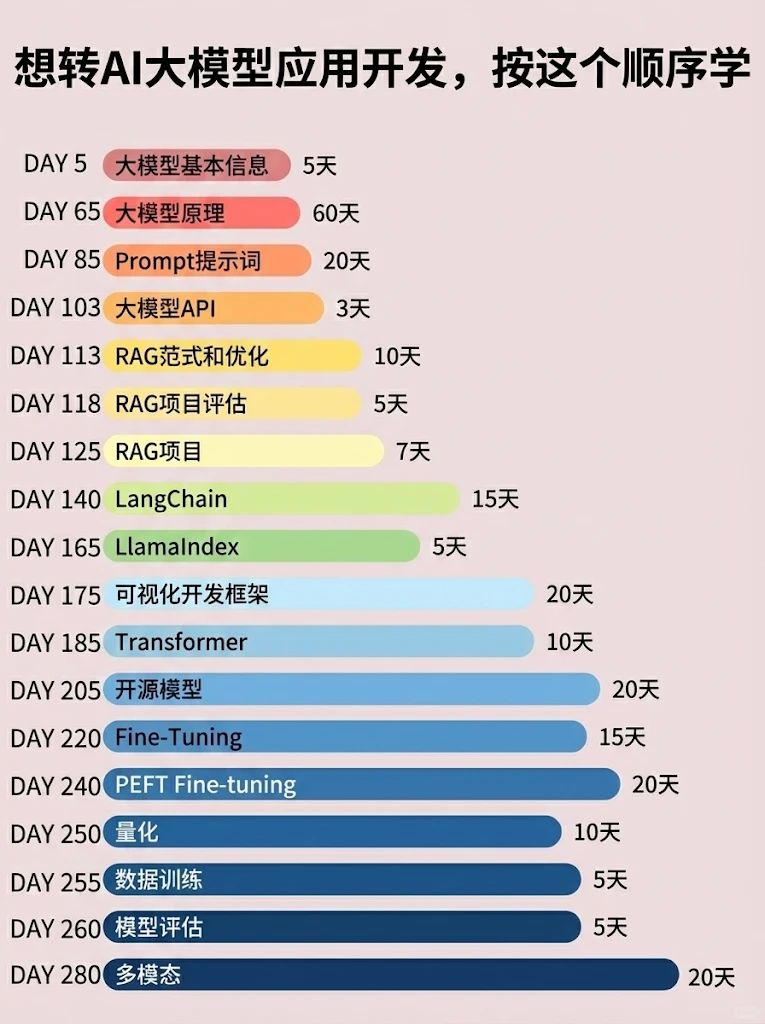
📝给大家整理了超全最新的AI大模型应用开发学习清单和资料,手把手帮你快速入门!👇👇
学习路线:
以上6大模块,看似清晰好上手,实则每个部分都有扎实的核心内容需要吃透!
我把大模型的学习全流程已经整理📚好了!抓住AI时代风口,轻松解锁职业新可能,希望大家都能把握机遇,实现薪资/职业跃迁~
这份完整版的大模型 AI 学习资料已经上传CSDN,朋友们如果需要可以微信扫描下方CSDN官方认证二维码免费领取【保证100%免费】

版权声明:本文内容由互联网用户自发贡献,该文观点仅代表作者本人。本站仅提供信息存储空间服务,不拥有所有权,不承担相关法律责任。如发现本站有涉嫌侵权/违法违规的内容,请联系我们,一经查实,本站将立刻删除。
如需转载请保留出处:https://51itzy.com/kjqy/245589.html