
给大家的福利
零基础入门
对于从来没有接触过网络安全的同学,我们帮你准备了详细的学习成长路线图。可以说是最科学最系统的学习路线,大家跟着这个大的方向学习准没问题。
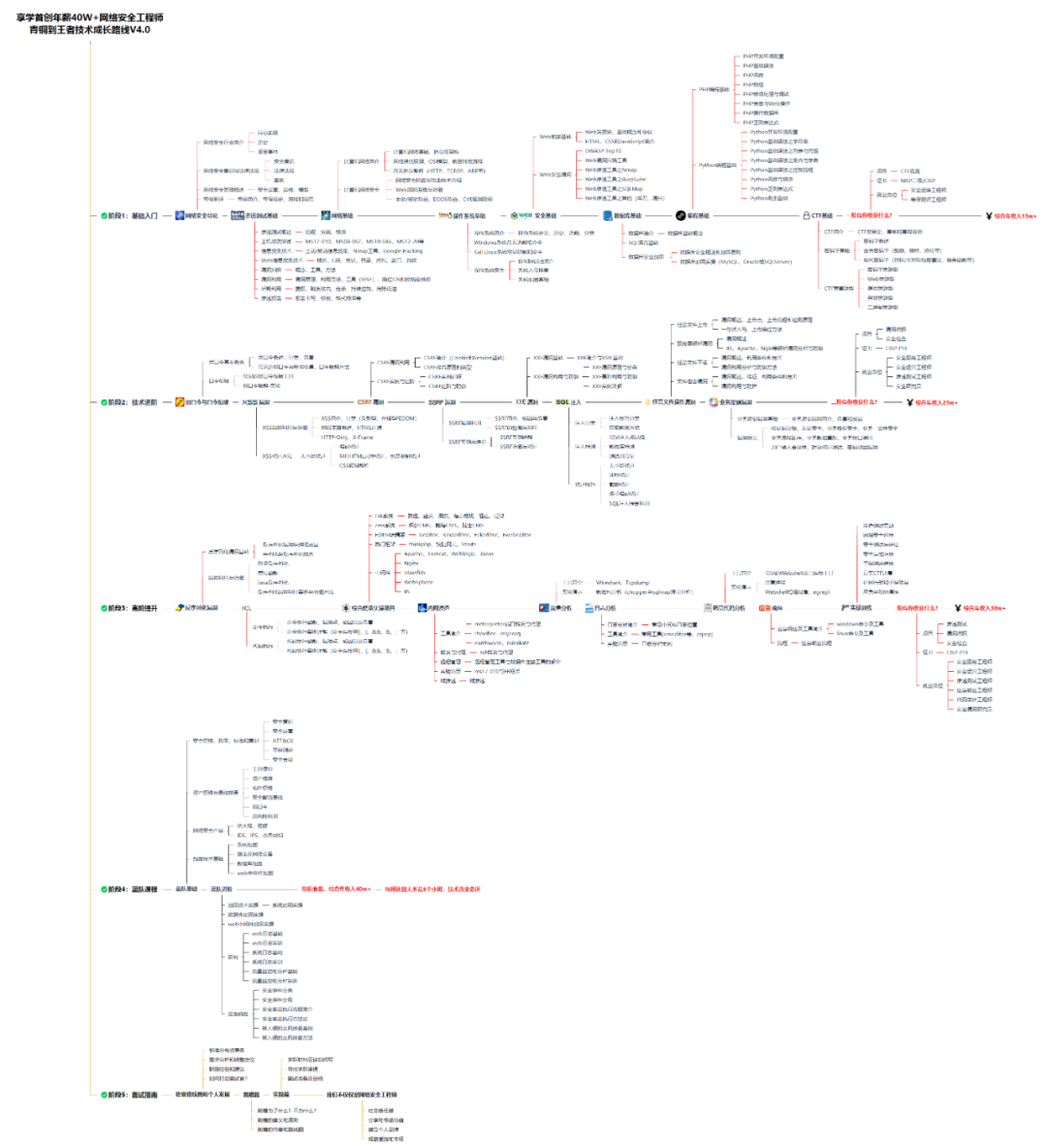
同时每个成长路线对应的板块都有配套的视频提供:
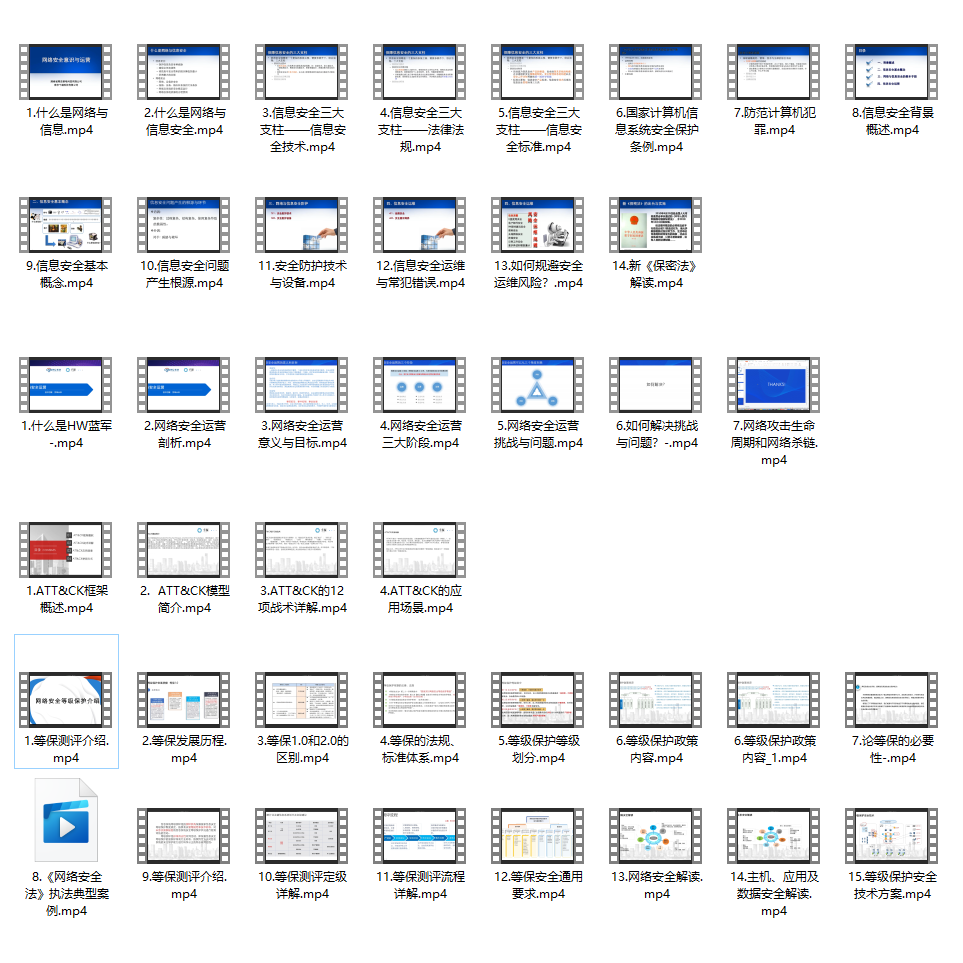
因篇幅有限,仅展示部分资料
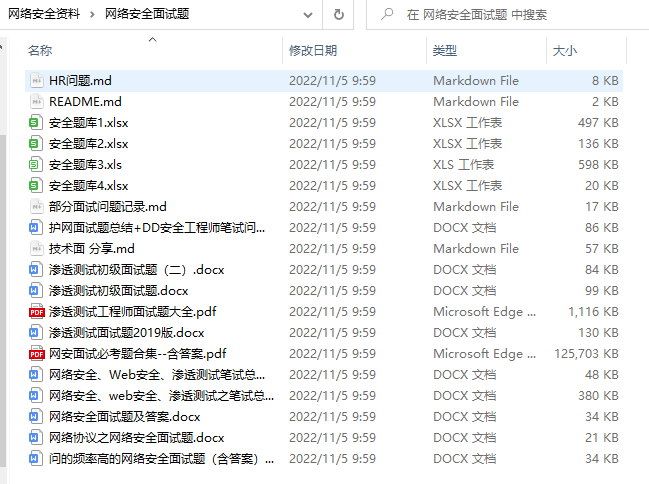
网络安全面试题
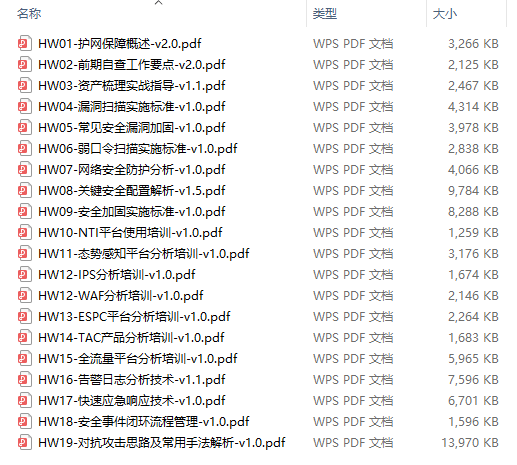
绿盟护网行动
还有大家最喜欢的黑客技术
网络安全源码合集+工具包

所有资料共282G,朋友们如果有需要全套《网络安全入门+黑客进阶学习资源包》,可以扫描下方二维码领取(如遇扫码问题,可以在评论区留言领取哦)~
网上学习资料一大堆,但如果学到的知识不成体系,遇到问题时只是浅尝辄止,不再深入研究,那么很难做到真正的技术提升。
需要这份系统化资料的朋友,可以点击这里获取
一个人可以走的很快,但一群人才能走的更远!不论你是正从事IT行业的老鸟或是对IT行业感兴趣的新人,都欢迎加入我们的的圈子(技术交流、学习资源、职场吐槽、大厂内推、面试辅导),让我们一起学习成长!
LocalTime localTime1 = LocalTime.of(23, 26, 30); //修改时间的时:00:26:30 System.out.println(localTime1.withHour(0)); //修改时间的分:23:30:30 System.out.println(localTime1.withMinute(30)); //修改时间的秒:23:26:59 System.out.println(localTime1.withSecond(59)); 讯享网
讯享网  比较时间
LocalTime localTime1 = LocalTime.of(23, 26, 30); LocalTime localTime2 = LocalTime.of(23, 26, 32); // 两个时间进行比较 大返回1,小就返回-1,一样就返回0:-1 System.out.println(localTime1.compareTo(localTime2)); // 比较指定时间是否比参数时间早(true为早):true System.out.println(localTime1.isBefore(localTime2)); // 比较指定时间是否比参数时间晚(true为晚):false System.out.println(localTime1.isAfter(localTime2)); // 比较两个时间是否相等:true System.out.println(localTime1.equals(LocalTime.of(23, 26, 30))); 讯享网  OffsetDateTime OffsetDateTime类说明 OffsetDateTime:有时间偏移量的日期时间(不包含基于ZoneRegion的时间偏移量)
public final class OffsetDateTime
implements Temporal, TemporalAdjuster, Comparable, Serializable {
//The minimum supported {@code OffsetDateTime}, ‘--01-01T00:00:00+18:00’
public static final OffsetDateTime MIN = LocalDateTime.MIN.atOffset(ZoneOffset.MAX);
// The maximum supported {@code OffsetDateTime}, ‘+-12-31T23:59:59.-18:00’.
public static final OffsetDateTime MAX = LocalDateTime.MAX.atOffset(ZoneOffset.MIN);
…
}
上面的MIN 和MAX 是公有静态变量。 OffsetDateTime常用的用法 获取当前日期时间 讯享网 OffsetDateTime offsetDateTime1 = OffsetDateTime.now(); OffsetDateTime offsetDateTime2 = OffsetDateTime.now(ZoneId.of("Asia/Shanghai")); OffsetDateTime offsetDateTime3 = OffsetDateTime.now(Clock.systemUTC()); System.out.println("now :"+offsetDateTime1); System.out.println("now by zone :"+offsetDateTime2); System.out.println("now by Clock:"+offsetDateTime3);
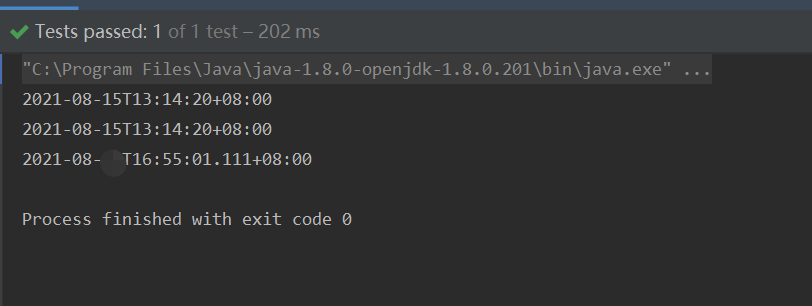
 获取OffsetDateTime对象 讯享网 LocalDateTime localDateTime1 = LocalDateTime.of(2021, 8, 15, 13, 14, 20); OffsetDateTime offsetDateTime1 = OffsetDateTime.of(localDateTime1, ZoneOffset.ofHours(8)); OffsetDateTime offsetDateTime2 = OffsetDateTime. of(2021, 8, 15, 13, 14, 20,0, ZoneOffset.ofHours(8)); Instant now = Instant.now(); OffsetDateTime offsetDateTime3 = OffsetDateTime.ofInstant(now, ZoneId.of("Asia/Shanghai")); System.out.println(offsetDateTime1); System.out.println(offsetDateTime2); System.out.println(offsetDateTime3);
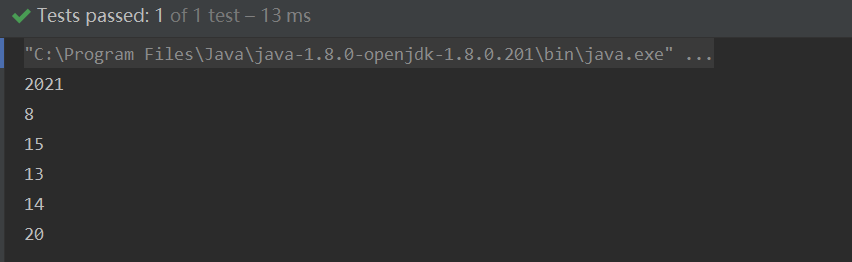
 获取指定日期的年月日时分秒 讯享网 LocalDateTime localDateTime1 = LocalDateTime.of(2021, 8, 15, 13, 14, 20); OffsetDateTime offsetDateTime1 = OffsetDateTime.of(localDateTime1, ZoneOffset.ofHours(8)); //当前时间的年:2021 System.out.println(offsetDateTime1.getYear()); //当前时间的月:8 System.out.println(offsetDateTime1.getMonthValue()); //当前时间的日:15 System.out.println(offsetDateTime1.getDayOfMonth()); //当前时间的时:13 System.out.println(offsetDateTime1.getHour()); //当前时间的分:14 System.out.println(offsetDateTime1.getMinute()); //当前时间的秒:20 System.out.println(offsetDateTime1.getSecond());
 修改年月日时分秒 讯享网 LocalDateTime localDateTime1 = LocalDateTime.of(2021, 8, 15, 13, 14, 20); OffsetDateTime offsetDateTime1 = OffsetDateTime.of(localDateTime1, ZoneOffset.ofHours(8)); //修改时间的年:2022-08-15T13:14:20+08:00 System.out.println(offsetDateTime1.withYear(2022)); //修改时间的月:2021-09-15T13:14:20+08:00 System.out.println(offsetDateTime1.withMonth(9)); //修改时间的日:2021-08-30T13:14:20+08:00 System.out.println(offsetDateTime1.withDayOfMonth(30)); //修改时间的时:2021-08-15T00:14:20+08:00 System.out.println(offsetDateTime1.withHour(0)); //修改时间的分:2021-08-15T13:30:20+08:00 System.out.println(offsetDateTime1.withMinute(30)); //修改时间的秒:2021-08-15T13:14:59+08:00 System.out.println(offsetDateTime1.withSecond(59));
 比较日期时间 讯享网 LocalDateTime localDateTime1 = LocalDateTime.of(2021, 8, 15, 13, 14, 20); OffsetDateTime offsetDateTime1 = OffsetDateTime.of(localDateTime1, ZoneOffset.ofHours(8)); OffsetDateTime offsetDateTime3 = OffsetDateTime.of(localDateTime1, ZoneOffset.ofHours(8)); LocalDateTime localDateTime2 = LocalDateTime.of(2021, 8, 15, 13, 14, 30); OffsetDateTime offsetDateTime2 = OffsetDateTime.of(localDateTime2, ZoneOffset.ofHours(8)); // 两个时间进行比较 大返回1,小就返回-1,一样就返回0:-1 System.out.println(offsetDateTime1.compareTo(offsetDateTime2)); // 比较指定时间是否比参数时间早(true为早):true System.out.println(offsetDateTime1.isBefore(offsetDateTime2)); // 比较指定时间是否比参数时间晚(true为晚):false System.out.println(offsetDateTime1.isAfter(offsetDateTime2)); // 比较两个时间是否相等:true System.out.println(offsetDateTime1.equals(offsetDateTime3));
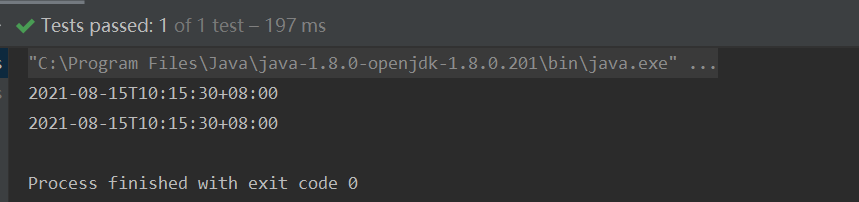
 字符串转化为OffsetDateTime对象 讯享网 String str = "2021-08-15T10:15:30+08:00"; OffsetDateTime offsetDateTime1 = OffsetDateTime.parse(str); OffsetDateTime offsetDateTime2 = OffsetDateTime.parse(str,DateTimeFormatter.ISO_OFFSET_DATE_TIME); System.out.println(offsetDateTime1); System.out.println(offsetDateTime2);
 OffsetTime OffsetTime类说明 OffsetTime:有时间偏移量的时间 public final class OffsetTime
implements Temporal, TemporalAdjuster, Comparable, Serializable {
//The minimum supported {@code OffsetTime}, ‘00:00:00+18:00’.
public static final OffsetTime MIN = LocalTime.MIN.atOffset(ZoneOffset.MAX);
讯享网//The maximum supported {@code OffsetTime}, '23:59:59.-18:00'. public static final OffsetTime MAX = LocalTime.MAX.atOffset(ZoneOffset.MIN); ...
}
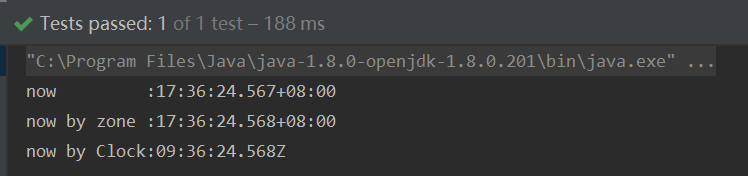
上面的MIN 和MAX 是公有静态变量。 OffsetTime常用的用法 获取当前时间 讯享网 OffsetTime offsetTime1 = OffsetTime.now(); OffsetTime offsetTime2 = OffsetTime.now(ZoneId.of("Asia/Shanghai")); OffsetTime offsetTime3 = OffsetTime.now(Clock.systemUTC()); System.out.println("now :"+offsetTime1); System.out.println("now by zone :"+offsetTime2); System.out.println("now by Clock:"+offsetTime3);
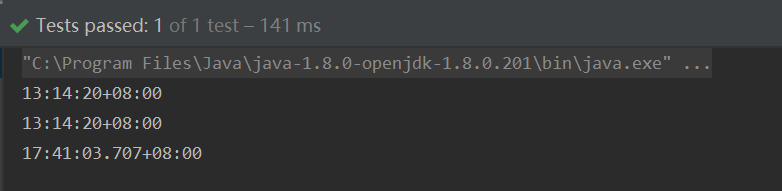
 获取OffsetTime对象 讯享网 LocalTime localTime1 = LocalTime.of(13, 14, 20); OffsetTime offsetTime1 = OffsetTime.of(localTime1, ZoneOffset.ofHours(8)); OffsetTime offsetTime2 = OffsetTime. of(13, 14, 20,0, ZoneOffset.ofHours(8)); Instant now = Instant.now(); OffsetTime offsetTime3 = OffsetTime.ofInstant(now, ZoneId.of("Asia/Shanghai")); System.out.println(offsetTime1); System.out.println(offsetTime2); System.out.println(offsetTime3);
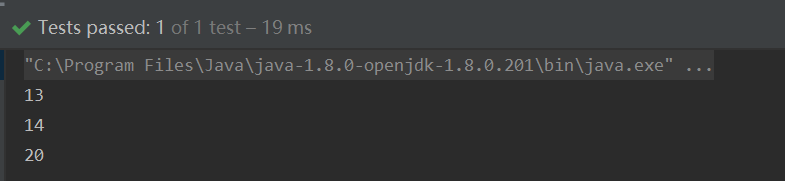
 获取指定时间的时分秒 讯享网 LocalTime localTime1 = LocalTime.of( 13, 14, 20); OffsetTime offsetTime1 = OffsetTime.of(localTime1, ZoneOffset.ofHours(8)); //当前时间的时:13 System.out.println(offsetTime1.getHour()); //当前时间的分:14 System.out.println(offsetTime1.getMinute()); //当前时间的秒:20 System.out.println(offsetTime1.getSecond());
 修改时分秒 讯享网 LocalTime localTime1 = LocalTime.of( 13, 14, 20); OffsetTime offsetTime1 = OffsetTime.of(localTime1, ZoneOffset.ofHours(8)); //修改时间的时:00:14:20+08:00 System.out.println(offsetTime1.withHour(0)); //修改时间的分:13:30:20+08:00 System.out.println(offsetTime1.withMinute(30)); //修改时间的秒:13:14:59+08:00 System.out.println(offsetTime1.withSecond(59));
 比较时间 讯享网 LocalTime localTime1 = LocalTime.of( 13, 14, 20); OffsetTime offsetTime1 = OffsetTime.of(localTime1, ZoneOffset.ofHours(8)); OffsetTime offsetTime3 = OffsetTime.of(localTime1, ZoneOffset.ofHours(8)); LocalTime localTime2 = LocalTime.of(13, 14, 30); OffsetTime offsetTime2 = OffsetTime.of(localTime2, ZoneOffset.ofHours(8)); // 两个时间进行比较 大返回1,小就返回-1,一样就返回0:-1 System.out.println(offsetTime1.compareTo(offsetTime2)); // 比较指定时间是否比参数时间早(true为早):true System.out.println(offsetTime1.isBefore(offsetTime2)); // 比较指定时间是否比参数时间晚(true为晚):false System.out.println(offsetTime1.isAfter(offsetTime2)); // 比较两个时间是否相等:true System.out.println(offsetTime1.equals(offsetTime3));
 ZonedDateTime ZonedDateTime类说明 表示一个带时区的日期和时间,ZonedDateTime可以理解为LocalDateTime+ZoneId 从源码可以看出来,ZonedDateTime类中定义了LocalDateTime和ZoneId两个变量。 且ZonedDateTime类也是不可变类且是线程安全的。 讯享网/\*\*
* Serialization version.
*/
private static final long serialVersionUID = -L;
/\*\* * The local date-time.
*/
private final LocalDateTime dateTime;
/
* The time-zone.
*/
private final ZoneId zone;
讯享网...
}
ZonedDateTime常用的用法 获取当前日期时间 讯享网 // 默认时区获取当前时间 ZonedDateTime zonedDateTime = ZonedDateTime.now(); // 用指定时区获取当前时间,Asia/Shanghai为上海时区 ZonedDateTime zonedDateTime1 = ZonedDateTime.now(ZoneId.of("Asia/Shanghai")); //withZoneSameInstant为转换时区,参数为ZoneId ZonedDateTime zonedDateTime2 = zonedDateTime.withZoneSameInstant(ZoneId.of("America/New\_York")); System.out.println(zonedDateTime); System.out.println(zonedDateTime1); System.out.println(zonedDateTime2);
 讯享网 ZonedDateTime zonedDateTime1 = ZonedDateTime.now(); ZonedDateTime zonedDateTime2 = ZonedDateTime.now(ZoneId.of("Asia/Shanghai")); ZonedDateTime zonedDateTime3 = ZonedDateTime.now(Clock.systemUTC()); System.out.println("now :"+zonedDateTime1); System.out.println("now by zone :"+zonedDateTime2); System.out.println("now by Clock:"+zonedDateTime3);
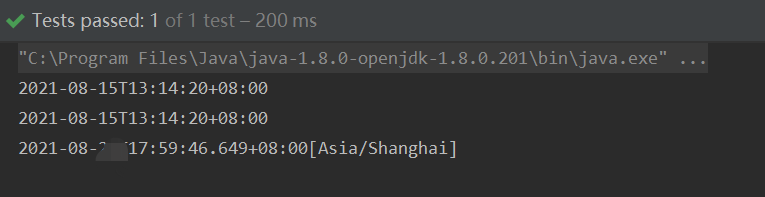
 获取ZonedDateTime对象 讯享网 LocalDateTime localDateTime1 = LocalDateTime.of(2021, 8, 15, 13, 14, 20); ZonedDateTime zonedDateTime1 = ZonedDateTime.of(localDateTime1, ZoneOffset.ofHours(8)); ZonedDateTime zonedDateTime2 = ZonedDateTime. of(2021, 8, 15, 13, 14, 20,0, ZoneOffset.ofHours(8)); Instant now = Instant.now(); ZonedDateTime zonedDateTime3 = ZonedDateTime.ofInstant(now, ZoneId.of("Asia/Shanghai")); System.out.println(zonedDateTime1); System.out.println(zonedDateTime2); System.out.println(zonedDateTime3);
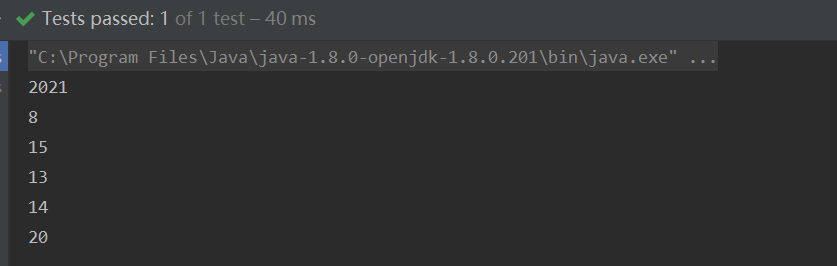
 获取指定日期的年月日时分秒 讯享网 LocalDateTime localDateTime1 = LocalDateTime.of(2021, 8, 15, 13, 14, 20); ZonedDateTime zonedDateTime1 = ZonedDateTime.of(localDateTime1, ZoneOffset.ofHours(8)); //当前时间的年:2021 System.out.println(zonedDateTime1.getYear()); //当前时间的月:8 System.out.println(zonedDateTime1.getMonthValue()); //当前时间的日:15 System.out.println(zonedDateTime1.getDayOfMonth()); //当前时间的时:13 System.out.println(zonedDateTime1.getHour()); //当前时间的分:14 System.out.println(zonedDateTime1.getMinute()); //当前时间的秒:20 System.out.println(zonedDateTime1.getSecond());
 修改年月日时分秒 讯享网 LocalDateTime localDateTime1 = LocalDateTime.of(2021, 8, 15, 13, 14, 20); ZonedDateTime zonedDateTime1 = ZonedDateTime.of(localDateTime1, ZoneOffset.ofHours(8)); //修改时间的年:2022-08-15T13:14:20+08:00 System.out.println(zonedDateTime1.withYear(2022)); //修改时间的月:2021-09-15T13:14:20+08:00 System.out.println(zonedDateTime1.withMonth(9)); //修改时间的日:2021-08-30T13:14:20+08:00 System.out.println(zonedDateTime1.withDayOfMonth(30)); //修改时间的时:2021-08-15T00:14:20+08:00 System.out.println(zonedDateTime1.withHour(0)); //修改时间的分:2021-08-15T13:30:20+08:00 System.out.println(zonedDateTime1.withMinute(30)); //修改时间的秒:2021-08-15T13:14:59+08:00 System.out.println(zonedDateTime1.withSecond(59));
 比较日期时间 讯享网 LocalDateTime localDateTime1 = LocalDateTime.of(2021, 8, 15, 13, 14, 20); ZonedDateTime zonedDateTime1 = ZonedDateTime.of(localDateTime1, ZoneOffset.ofHours(8)); ZonedDateTime zonedDateTime3 = ZonedDateTime.of(localDateTime1, ZoneOffset.ofHours(8)); LocalDateTime localDateTime2 = LocalDateTime.of(2021, 8, 15, 13, 14, 30); ZonedDateTime zonedDateTime2 = ZonedDateTime.of(localDateTime2, ZoneOffset.ofHours(8)); // 两个时间进行比较 大返回1,小就返回-1,一样就返回0:-1 System.out.println(zonedDateTime1.compareTo(zonedDateTime2)); // 比较指定时间是否比参数时间早(true为早):true System.out.println(zonedDateTime1.isBefore(zonedDateTime2)); // 比较指定时间是否比参数时间晚(true为晚):false System.out.println(zonedDateTime1.isAfter(zonedDateTime2)); // 比较两个时间是否相等:true System.out.println(zonedDateTime1.equals(zonedDateTime3));
 LocalDateTime+ZoneId变ZonedDateTime 讯享网 LocalDateTime localDateTime = LocalDateTime.now(); ZonedDateTime zonedDateTime1 = localDateTime.atZone(ZoneId.systemDefault()); ZonedDateTime zonedDateTime2 = localDateTime.atZone(ZoneId.of("America/New\_York")); System.out.println(zonedDateTime1); System.out.println(zonedDateTime2);
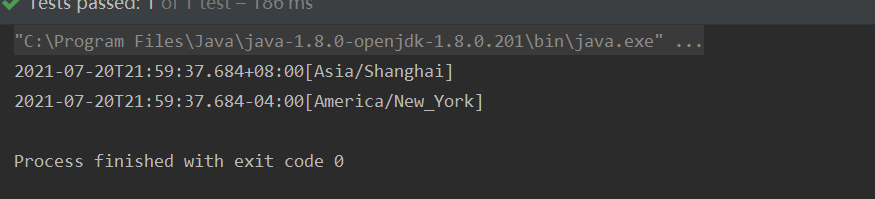 上面的例子说明了,LocalDateTime是可以转成ZonedDateTime的。 (三)JSR-310:格式化和解析 DateTimeFormatter DateTimeFormatter类说明 DateTimeFormatter的作用是进行格式化日期时间显示,且DateTimeFormatter是不可变类且是线程安全的。 public final class DateTimeFormatter {
…
}
讯享网 说到时间的格式化显示,就要说老朋友SimpleDateFormat了,之前格式化Date就要用上。但是我们知道SimpleDateFormat是线程不安全的,还不清楚的,请看这篇文章[java的SimpleDateFormat线程不安全出问题了,虚竹教你多种解决方案](https://bbs.csdn.net/forums/4f45ff00ffa03fab5e56a57acb) DateTimeFormatter常用的用法 格式化
ZonedDateTime zonedDateTime = ZonedDateTime.now(); DateTimeFormatter formatter = DateTimeFormatter.ofPattern("yyyy-MM-dd'T'HH:mm ZZZZ"); System.out.println(formatter.format(zonedDateTime)); DateTimeFormatter usFormatter = DateTimeFormatter.ofPattern("E, MMMM/dd/yyyy HH:mm", Locale.US); System.out.println(usFormatter.format(zonedDateTime)); DateTimeFormatter chinaFormatter = DateTimeFormatter.ofPattern("yyyy MMM dd EE HH:mm", Locale.CHINA); System.out.println(chinaFormatter.format(zonedDateTime)); 讯享网 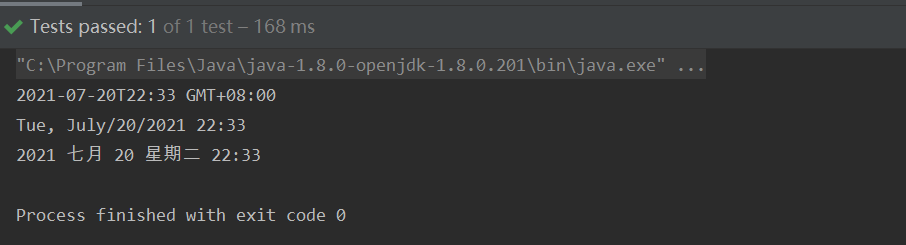 解析
DateTimeFormatter formatter = DateTimeFormatter.ofPattern("yyyy年MM月dd日 HH时mm分ss秒"); String dateTime = "2021年08月22日 13时14分20秒"; LocalDateTime localDateTime = LocalDateTime.parse(dateTime, formatter); System.out.println(localDateTime); 讯享网  大家有没有注意到,parse方法 是放在LocalDateTime类中 的,而不是DateTimeFormatter类中 。这样的设计符合正常的思路想法,想解析出LocalDateTime 的日期时间,那就用LocalDateTime 。想解析其他的JSR-310的日期时间对象,那就用对应的日期时间对象去解析。 博主把常用的日期时间API都看了,这些里面除了Clock (时钟不需要解析的),其他都有实现parse方法 。  DateTimeFormatter的坑 1、在正常配置按照标准格式的字符串日期,是能够正常转换的。如果月,日,时,分,秒在不足两位的情况需要补0,否则的话会转换失败,抛出异常。
DateTimeFormatter DATE_TIME_FORMATTER = DateTimeFormatter.ofPattern("yyyy-MM-dd HH:mm:ss.SSS"); LocalDateTime dt1 = LocalDateTime.parse("2021-7-20 23:46:43.946", DATE_TIME_FORMATTER); System.out.println(dt1); 讯享网 会报错: 
java.time.format.DateTimeParseException: Text ‘2021-7-20 23:46:43.946’ could not be parsed at index 5
分析原因:是格式字符串与实际的时间不匹配 “yyyy-MM-dd HH:mm:ss.SSS” “2021-7-20 23:46:43.946” 中间的月份格式是MM,实际时间是7 解决方案:保持格式字符串与实际的时间匹配 讯享网DateTimeFormatter DATE_TIME_FORMATTER = DateTimeFormatter.ofPattern("yyyy-MM-dd HH:mm:ss.SSS"); LocalDateTime dt1 = LocalDateTime.parse("2021-07-20 23:46:43.946", DATE_TIME_FORMATTER); System.out.println(dt1);
 2、YYYY和DD谨慎使用 讯享网 LocalDate date = LocalDate.of(2020,12,31); DateTimeFormatter formatter = DateTimeFormatter.ofPattern("YYYYMM"); // 结果是 System.out.println( formatter.format(date));
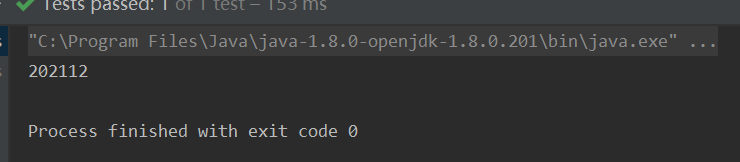 Java’s DateTimeFormatter pattern “YYYY” gives you the week-based-year, (by default, ISO-8601 standard) the year of the Thursday of that week.
讯享网 YYYY是取的当前周所在的年份,week-based year 是 ISO 8601 规定的。2020年12月31号,周算年份,就是2021年 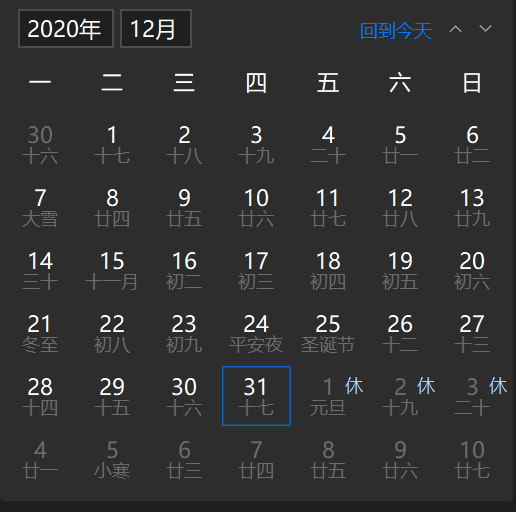
private static void tryit(int Y, int M, int D, String pat) {
DateTimeFormatter fmt = DateTimeFormatter.ofPattern(pat);
LocalDate dat = LocalDate.of(Y,M,D);
String str = fmt.format(dat);
System.out.printf(“Y=%04d M=%02d D=%02d " +
“formatted with " +
“”%s” -> %s\n”,Y,M,D,pat,str);
}
public static void main(String[] args){
tryit(2020,01,20,“MM/DD/YYYY”);
tryit(2020,01,21,“DD/MM/YYYY”);
tryit(2020,01,22,“YYYY-MM-DD”);
tryit(2020,03,17,“MM/DD/YYYY”);
tryit(2020,03,18,“DD/MM/YYYY”);
tryit(2020,03,19,“YYYY-MM-DD”);
}
Y=2020 M=01 D=20 formatted with “MM/DD/YYYY” -> 01/20/2020
Y=2020 M=01 D=21 formatted with “DD/MM/YYYY” -> 21/01/2020
Y=2020 M=01 D=22 formatted with “YYYY-MM-DD” -> 2020-01-22
Y=2020 M=03 D=17 formatted with “MM/DD/YYYY” -> 03/77/2020
Y=2020 M=03 D=18 formatted with “DD/MM/YYYY” -> 78/03/2020
Y=2020 M=03 D=19 formatted with “YYYY-MM-DD” -> 2020-03-79
讯享网
最后三个日期是有问题的,因为大写的DD代表的是处于这一年中那一天,不是处于这个月的那一天,但是dd就没有问题。


例子参考于:https://www.cnblogs.com/tonyY/p/12153335.html


所以建议使用yyyy和dd。


 3、DateTimeFormatter.format(Instant)会报错


 报错信息:
java.time.temporal.UnsupportedTemporalTypeException: Unsupported field: YearOfEra
分析原因: 代码\*\*DateTimeFormatter.format(Instant)\*\*是怎么处理的呢? 讯享网public String format(TemporalAccessor temporal) { StringBuilder buf = new StringBuilder(32); formatTo(temporal, buf); return buf.toString(); }
首先new了个StringBuilder对象,用来拼接字符串; 然后调用\*\*formatTo(temporal, buf)\*\*方法 public void formatTo(TemporalAccessor temporal, Appendable appendable) {
Objects.requireNonNull(temporal, “temporal”);
Objects.requireNonNull(appendable, “appendable”);
try {
DateTimePrintContext context = new DateTimePrintContext(temporal, this);
if (appendable instanceof StringBuilder) {
printerParser.format(context, (StringBuilder) appendable);
} else {
// buffer output to avoid writing to appendable in case of error
StringBuilder buf = new StringBuilder(32);
printerParser.format(context, buf);
appendable.append(buf);
}
} catch (IOException ex) {
throw new DateTimeException(ex.getMessage(), ex);
}
}
讯享网 \*\*formatTo(temporal, buf)\*\*方法也是先判断两个入参空处理。 然后,Instant对象被封装在一个新new的DateTimePrintContext对象 运行demo有问题,进行排查
//根据特定格式格式化日期 DateTimeFormatter dtf = DateTimeFormatter.ofPattern("yyyy-MM-dd"); String dateStr = DateUtil.format(new Date(),dtf); System.out.println(dateStr); 讯享网 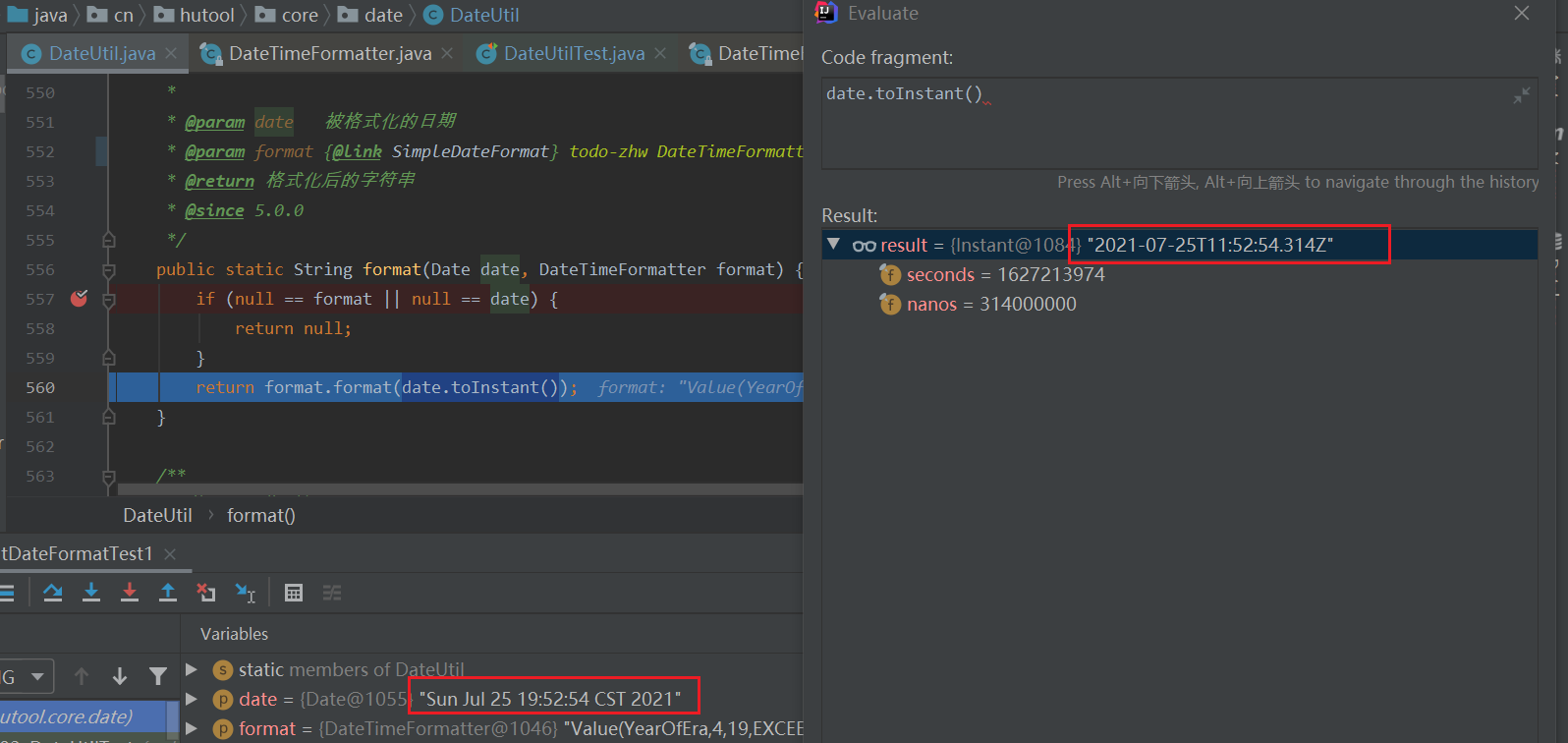 到这里已经是jdk的源码了DateTimeFormatter.format    从上面可知,会调用 NumberPrinterParser.format() NumberPrinterParser是在DateTimeFormatterBuilder类中的。  到这一步会报错  为什么会报错呢,我们来看下context.getValue(field)发生了什么:  从上面代码可行,temporal实际上是Instant对象,Instant.getLong只支持四种字段类型。。
NANO_OF_SECOND
MICRO_OF_SECOND
MILLI_OF_SECOND
INSTANT_SECONDS
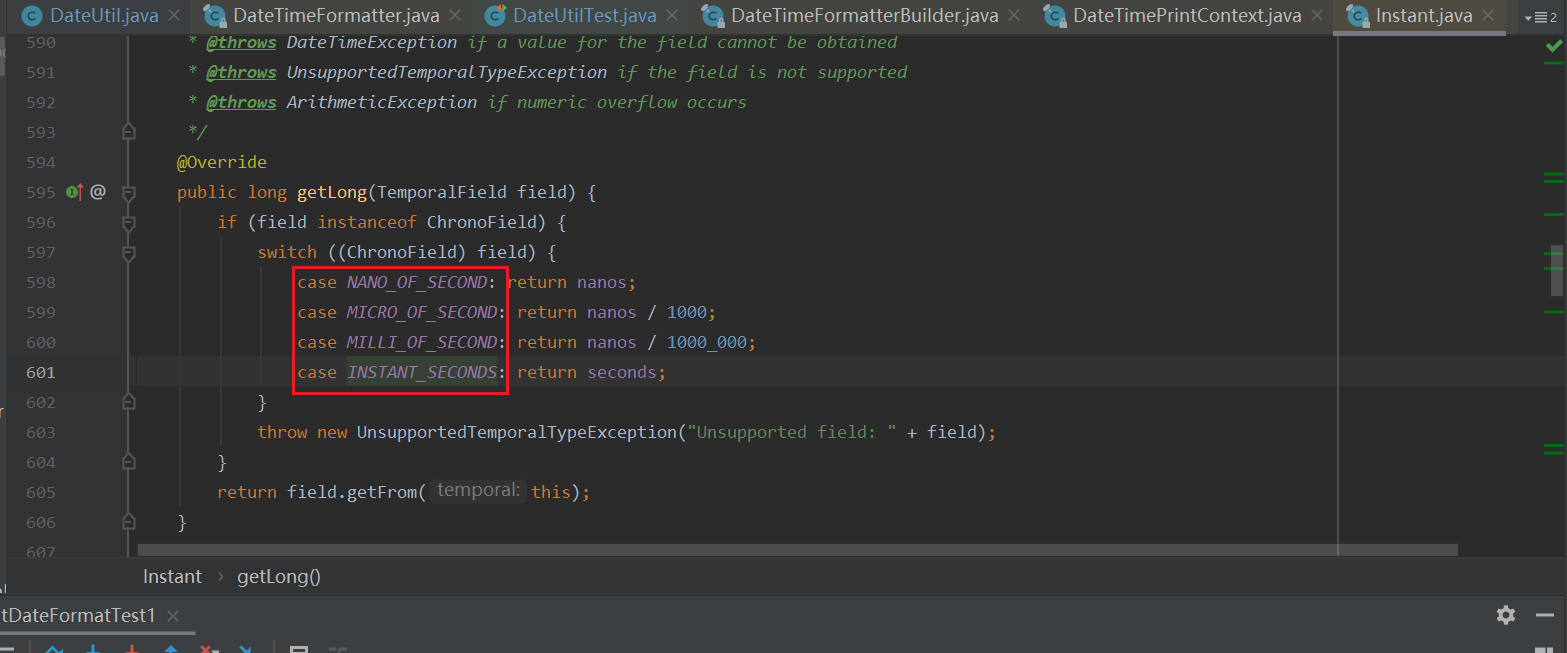 如果不是上面这几种字段类型,则抛出异常 DateUtil.format当遇到DateTimeFormatter会将Date对象首先转换为Instant,因为缺少时区,导致报错。 解决方案: /
* 根据特定格式格式化日期
*
* @param date 被格式化的日期
* @param format
* @return 格式化后的字符串
* @since 5.0.0
*/
public static String format(Date date, DateTimeFormatter format) {
if (null == format || null == date) {
return null;
}
Instant instant = date.toInstant();
ZonedDateTime zonedDateTime = instant.atZone(ZoneId.systemDefault());
LocalDateTime localDateTime = zonedDateTime.toLocalDateTime();
return format.format(localDateTime);
}
讯享网 先把date类型转化为LocalDateTime类型,然后再进行DateTimeFormatter.format(LocalDateTime)的格式化 测试demo
//根据特定格式格式化日期
String str = “2021-07-25 20:11:25”;
DateTimeFormatter dtf = DateTimeFormatter.ofPattern(“yyyy-MM-dd HH:mm:dd”);
Date date = DateUtil.parse(str);
String dateStr = DateUtil.format(date,dtf);
System.out.println(dateStr);
Assert.assertEquals(str, dateStr);
 DateTimeFormatterBuilder DateTimeFormatterBuilder类说明 DateTimeFormatter 的所有格式化器都是用DateTimeFormatterBuilder 建造器类创建的。 看下面两个ofPattern 源码: //DateTimeFormatter
public static DateTimeFormatter ofPattern(String pattern) {
return new DateTimeFormatterBuilder().appendPattern(pattern).toFormatter();
}
讯享网 public static DateTimeFormatter ofPattern(String pattern, Locale locale) { return new DateTimeFormatterBuilder().appendPattern(pattern).toFormatter(locale); }
解析风格配置 官方提供了四种解析风格的配置,如下枚举 SettingsParser : static enum SettingsParser implements DateTimePrinterParser {
// 大小写敏感
SENSITIVE,
// 大小写不敏感
INSENSITIVE,
//严格
STRICT,
//宽松
LENIENT;
…
}
讯享网 对应DateTimeFormatterBuilder 类中的方法:
// 大小写敏感
public DateTimeFormatterBuilder parseCaseSensitive()
// 大小写不敏感
public DateTimeFormatterBuilder parseCaseInsensitive()
// 严格
public DateTimeFormatterBuilder parseStrict()
// 宽松
public DateTimeFormatterBuilder parseLenient()
这四个方法对应的源码如下: // 大小写敏感
public DateTimeFormatterBuilder parseCaseSensitive() {
appendInternal(SettingsParser.SENSITIVE);
return this;
}
// 大小写不敏感
public DateTimeFormatterBuilder parseCaseInsensitive() {
appendInternal(SettingsParser.INSENSITIVE);
return this;
}
// 严格
public DateTimeFormatterBuilder parseStrict() {
appendInternal(SettingsParser.STRICT);
return this;
}
// 宽松
public DateTimeFormatterBuilder parseLenient() {
appendInternal(SettingsParser.LENIENT);
return this;
}
讯享网 可以看出,都是调用appendInternal 方法。 接着往下看 appendInternal 源码:
private int appendInternal(DateTimePrinterParser pp) {
Objects.requireNonNull(pp, “pp”);
if (active.padNextWidth > 0) {
if (pp != null) {
pp = new PadPrinterParserDecorator(pp, active.padNextWidth, active.padNextChar);
}
active.padNextWidth = 0;
active.padNextChar = 0;
}
active.printerParsers.add(pp);
active.valueParserIndex = -1;
return active.printerParsers.size() - 1;
}
其中active 是一个DateTimeFormatterBuilder 实例,且这个DateTimeFormatterBuilder 实例内部有一个列表 List< DateTimePrinterParser > ,看了源码可知,真正做解析工作的是DateTimePrinterParser 对应的实例来做的。 DateTimePrinterParser 的源码: interface DateTimePrinterParser {
讯享网 boolean format(DateTimePrintContext context, StringBuilder buf); int parse(DateTimeParseContext context, CharSequence text, int position); }
源码有一共有16个DateTimePrinterParser 的实例。 讯享网 (四)JSR-310:常用计算工具 介绍下java8 中提供了几个常用于计算的类: * Duration:表示秒和纳秒的时间量 * Period:表示年月日的时间量 * TemporalUnit:日期时间的基本单位 * TemporalField:日期时间的属性 * ValueRange:表示取值范围 Duration Duration类说明 包路径:java.time.Duration
public final class Duration
implements TemporalAmount, Comparable, Serializable {
private final long seconds;
private final int nanos; ... } 讯享网 Duration 是TemporalAmount 的实现类,类里包含两个变量seconds 和 nanos ,所以Duration 是由秒和纳秒组成的时间量。 一个Duration实例是不可变的,当创建出对象后就不能改变它的值了。 Duration常用的用法 创建Duration对象 Duration 适合处理较短的时间,需要更高的精确性。我们能使用between()方法比较两个瞬间的差:
Instant first = Instant.now(); try { Thread.sleep(1000); } catch (InterruptedException e) { e.printStackTrace(); } Instant second = Instant.now(); Duration duration = Duration.between(first, second); System.out.println(duration); 讯享网 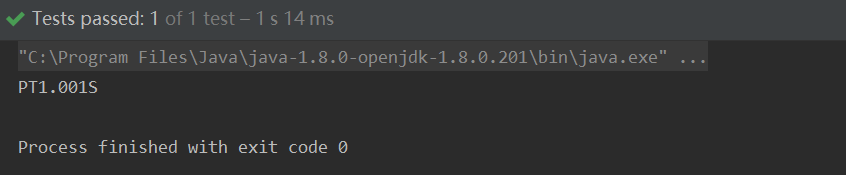 可以通过LocalDateTime 类获取获取Duration对象
LocalDateTime first = LocalDateTime.of(2021, 8, 30, 23, 14, 20); LocalDateTime second = LocalDateTime.of(2021, 8, 30, 23, 13, 0); Duration duration = Duration.between(first, second); System.out.println(duration); 讯享网 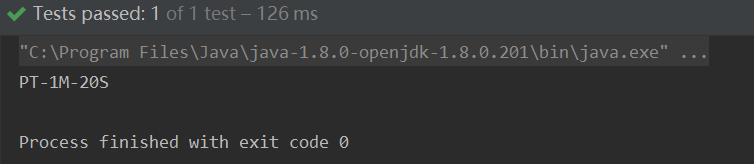 访问Duration的时间 Duration 对象中可以获取秒和纳秒属性。但没有毫秒属性,跟System.getCurrentTimeMillis()不同。
Instant first = Instant.now(); try { Thread.sleep(1000); } catch (InterruptedException e) { e.printStackTrace(); } Instant second = Instant.now(); Duration duration = Duration.between(first, second); System.out.println(duration); System.out.println("秒:"+duration.getSeconds()); System.out.println("纳秒:"+duration.getNano()); 讯享网 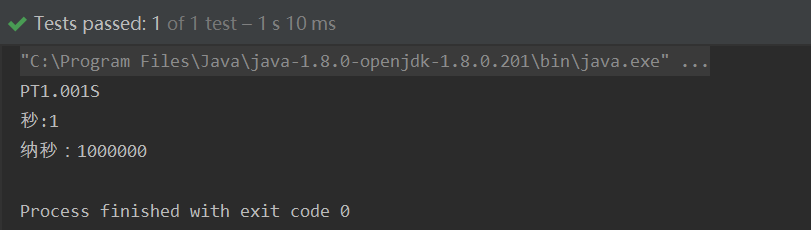 可以转换整个时间成其他单位,如纳秒,毫秒,分钟,小时,天
Instant first = Instant.now(); try { Thread.sleep(1000); } catch (InterruptedException e) { e.printStackTrace(); } Instant second = Instant.now(); Duration duration = Duration.between(first, second); System.out.println(duration); System.out.println("秒:"+duration.getSeconds()); System.out.println("纳秒:"+duration.getNano()); System.out.println("纳秒:"+duration.toNanos()); System.out.println("毫秒:"+duration.toMillis()); System.out.println("分:"+duration.toMinutes()); System.out.println("小时:"+duration.toHours()); System.out.println("天:"+duration.toDays()); 讯享网 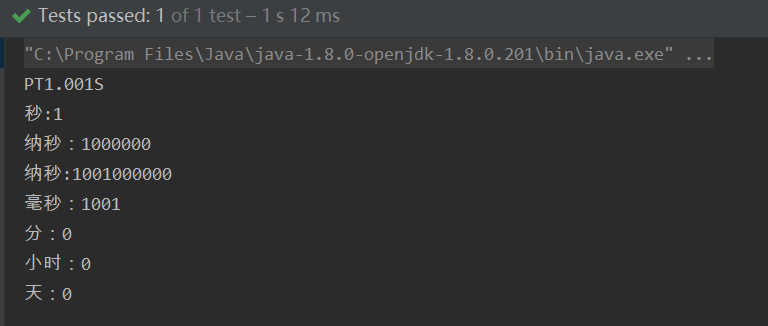 由图上可知,getNano 方法和toNanos 方法不太一样,前者是获取这段时间的小于1s的部分,后者是整个时间转化为纳秒。 Duration计算
plusNanos()
plusMillis()
plusSeconds()
plusMinutes()
plusHours()
plusDays()
minusNanos()
minusMillis()
minusSeconds()
minusMinutes()
minusHours()
minusDays()
以plusSeconds 和minusSeconds 为例: LocalDateTime first = LocalDateTime.of(2021, 8, 30, 23, 14, 20);
LocalDateTime second = LocalDateTime.of(2021, 8, 30, 23, 13, 0);
Duration duration = Duration.between(first, second);
System.out.println(duration);
讯享网 Duration duration1 = duration.plusSeconds(10); System.out.println("plusSeconds 后:"+duration); System.out.println("plusSeconds 后新的Duration对象:"+duration1); Duration duration2 = duration.minusSeconds(10); System.out.println("minusSeconds 后:"+duration); System.out.println("minusSeconds 后新的Duration对象:"+duration2);
 由上面的验证可知,这些计算方法执行后,会返回一个新的Duration对象,原先的Duration对象不变。 Period Period类说明 包路径:java.time.Period public final class Period
implements ChronoPeriod, Serializable {
/
* The number of years.
*/
private final int years;
/
* The number of months.
*/
private final int months;
/
* The number of days.
*/
private final int days;
…
}
讯享网 Period 是ChronoPeriod 的实现类,类里包含两个变量years ,months 和 days ,所以Period 是由年,月和日组成的时间量。 Period常用的用法 创建Period对象
LocalDate first = LocalDate.of(2021, 8, 29); LocalDate second = LocalDate.of(2022, 9, 30); Period period = Period.between(first, second); System.out.println(period); 讯享网 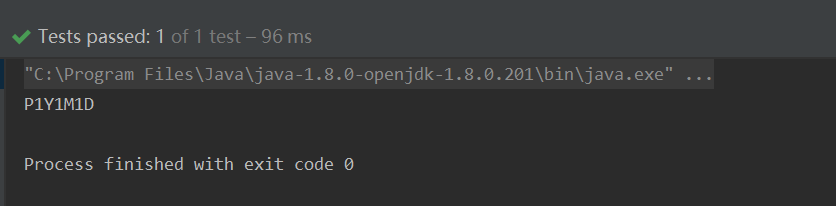 访问Period的时间
LocalDate first = LocalDate.of(2021, 8, 28); LocalDate second = LocalDate.of(2022, 10, 31); Period period = Period.between(first, second); System.out.println(period); System.out.println("年:"+period.getYears()); System.out.println("月:"+period.getMonths()); System.out.println("日:"+period.getDays()); 讯享网  可以转换整个时间成其他单位,月
LocalDate first = LocalDate.of(2021, 8, 29);
LocalDate second = LocalDate.of(2022, 9, 30);
Period period = Period.between(first, second);
System.out.println(period);
System.out.println(“月:”+period.toTotalMonths());
 由图上可知,getMonths 方法和toTotalMonths 方法不太一样,前者是获取这段时间的月的部分,后者是整个时间转化为以月为单位长度。 toTotalMonths 源码: public long toTotalMonths() {
return years * 12L + months; // no overflow
}
讯享网 Duration计算
plusDays()
plusMonths()
plusYears()
minusDays()
minusMonths()
minusYears()
以plusMonths 和minusMonths 为例: 讯享网 LocalDate first = LocalDate.of(2021, 8, 28); LocalDate second = LocalDate.of(2022, 10, 31); Period period = Period.between(first, second); System.out.println(period); Period period1 = period.plusMonths(1); System.out.println("plusMonths 后:"+period); System.out.println("plusMonths 后新的Period对象:"+period1); Period period2 = period.minusMonths(1); System.out.println("minusMonths 后:"+period); System.out.println("minusMonths 后新的Period对象:"+period2);
 由上面的验证可知,这些计算方法执行后,会返回一个新的Period对象,原先的Period对象不变。 TemporalUnit TemporalUnit类说明 包路径:java.time.temporal.TemporalUnit public interface TemporalUnit {
…
}
public enum ChronoUnit implements TemporalUnit {
private final String name;
private final Duration duration;
…
}
讯享网 TemporalUnit 主要实现类是枚举类型ChronoUnit 一个ChronoUnit成员会维护一个字符串名字属性name和一个Duration类型的实例。 其中ChronoUnit枚举了标准的日期时间单位集合,就是常用的年、月、日、小时、分钟、秒、毫秒、微秒、纳秒,这些时间单位的时间量到底是多少,代表多长的时间,在该枚举类中都有定义。
public enum ChronoUnit implements TemporalUnit {
NANOS("Nanos", Duration.ofNanos(1)), MICROS("Micros", Duration.ofNanos(1000)), MILLIS("Millis", Duration.ofNanos(1000\_000)), SECONDS("Seconds", Duration.ofSeconds(1)), MINUTES("Minutes", Duration.ofSeconds(60)), HOURS("Hours", Duration.ofSeconds(3600)), HALF\_DAYS("HalfDays", Duration.ofSeconds(43200)), DAYS("Days", Duration.ofSeconds(86400)), WEEKS("Weeks", Duration.ofSeconds(7 \* 86400L)), MONTHS("Months", Duration.ofSeconds(L / 12)), YEARS("Years", Duration.ofSeconds(L)), DECADES("Decades", Duration.ofSeconds(L \* 10L)), CENTURIES("Centuries", Duration.ofSeconds(L \* 100L)), MILLENNIA("Millennia", Duration.ofSeconds(L \* 1000L)), ERAS("Eras", Duration.ofSeconds(L \* 1000\_000\_000L)), FOREVER("Forever", Duration.ofSeconds(Long.MAX_VALUE, 999\_999\_999)); private final String name; private final Duration duration; private ChronoUnit(String name, Duration estimatedDuration) { this.name = name; this.duration = estimatedDuration; } ··· }

讯享网 ChronoUnit常用的用法
LocalDateTime localDateTime = LocalDateTime.of(2021, 8, 30, 23, 14, 20); LocalDateTime offset = localDateTime.plus(1, ChronoUnit.DAYS); // 非同一对象 Assert.assertNotSame(localDateTime, offset); System.out.println(offset); 讯享网 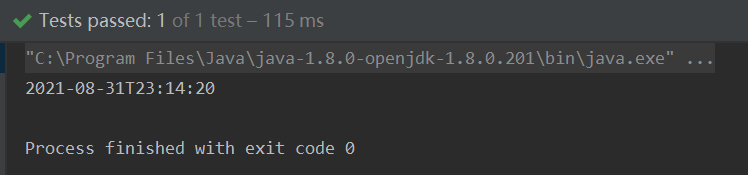 TemporalField TemporalField类说明 包路径:java.time.temporal.TemporalField
public interface TemporalField {
…
}
public enum ChronoField implements TemporalField {
private final String name;
private final TemporalUnit baseUnit;
private final TemporalUnit rangeUnit;
private final ValueRange range;
…
}
TemporalField 主要实现类是枚举类型ChronoField 一个ChronoField成员会维护一个字符串名字属性name、一个TemporalUnit的基础单位baseUnit、一个TemporalUnit的表示范围的单位rangeUnit和一个ValueRange类型的range用于表示当前属性的范围。 public enum ChronoField implements TemporalField {
//一秒钟的纳秒数
NANO_OF_SECOND(“NanoOfSecond”, NANOS, SECONDS, ValueRange.of(0, 999_999_999))
//一分钟的秒数
SECOND_OF_MINUTE(“SecondOfMinute”, SECONDS, MINUTES, ValueRange.of(0, 59), “second”)
//一个小时的分钟数
MINUTE_OF_HOUR(“MinuteOfHour”, MINUTES, HOURS, ValueRange.of(0, 59), “minute”)
//一上午或者一下午有多少个小时
CLOCK_HOUR_OF_AMPM(“ClockHourOfAmPm”, HOURS, HALF_DAYS, ValueRange.of(1, 12))
//一天的小时数
CLOCK_HOUR_OF_DAY(“ClockHourOfDay”, HOURS, DAYS, ValueRange.of(1, 24))
//上午还是下午
AMPM_OF_DAY(“AmPmOfDay”, HALF_DAYS, DAYS, ValueRange.of(0, 1), “dayperiod”)
//一周的第几天
DAY_OF_WEEK(“DayOfWeek”, DAYS, WEEKS, ValueRange.of(1, 7), “weekday”)
//当前月的天数
DAY_OF_MONTH(“DayOfMonth”, DAYS, MONTHS, ValueRange.of(1, 28, 31), “day”)
//当前年的天数
DAY_OF_YEAR(“DayOfYear”, DAYS, YEARS, ValueRange.of(1, 365, 366))
//当前月的周数
ALIGNED_WEEK_OF_MONTH(“AlignedWeekOfMonth”, WEEKS, MONTHS, ValueRange.of(1, 4, 5))
//当前年的周数
ALIGNED_WEEK_OF_YEAR(“AlignedWeekOfYear”, WEEKS, YEARS, ValueRange.of(1, 53))
//以每月的第一天为星期一,然后计算当天是一周的第几天
ALIGNED_DAY_OF_WEEK_IN_MONTH(“AlignedDayOfWeekInMonth”, DAYS, WEEKS, ValueRange.of(1, 7))
//以每月的第一天为星期一,然后计算当天是一周的第几天
ALIGNED_DAY_OF_WEEK_IN_YEAR(“AlignedDayOfWeekInYear”, DAYS, WEEKS, ValueRange.of(1, 7))
//当前年的月数
MONTH_OF_YEAR(“MonthOfYear”, MONTHS, YEARS, ValueRange.of(1, 12), “month”)
讯享网private final TemporalUnit baseUnit; private final String name; private final TemporalUnit rangeUnit; private final ValueRange range; private final String displayNameKey;
ChronoField常用的用法 ALIGNED\_WEEK\_OF\_MONTH 和 ALIGNED\_DAY\_OF\_WEEK\_IN\_MONTH 使用示例 讯享网 //每七天一周,2021-08-31 是周二,对应的值是3 int num = LocalDate.of(2021, 8, 31).get(ChronoField.ALIGNED_DAY_OF_WEEK_IN_MONTH); System.out.println(num); //这个月的第5周 2021-08-31 num = LocalDate.of(2021, 8, 31).get(ChronoField.ALIGNED_WEEK_OF_MONTH); System.out.println(num);
 ValueRange ValueRange类说明 ValueRange 表示取值范围。 public final class ValueRange implements Serializable {
讯享网/\*\*
* The smallest minimum value.最小值
*/
private final long minSmallest;
/
* The largest minimum value.最大可能最小值
*/
private final long minLargest;
/
* The smallest maximum value.最小可能最大值
*/
private final long maxSmallest;
/
* The largest maximum value.最大值
*/
private final long maxLargest;
…
}
ValueRange常用的用法 ValueRange valueRange = ValueRange.of(1L, 10000L);
System.out.println(valueRange);
valueRange = ValueRange.of(1L, 5L, 10000L, 50000L);
System.out.println(valueRange);
讯享网 
LocalDateTime localDateTime = LocalDateTime.of(2021, 8, 30, 23, 14, 20); ValueRange valueRange = localDateTime.range(ChronoField.DAY_OF_MONTH); System.out.println(valueRange.getMinimum()); System.out.println(valueRange.getMaximum()); System.out.println(valueRange.getLargestMinimum()); System.out.println(valueRange.getSmallestMaximum()); 讯享网 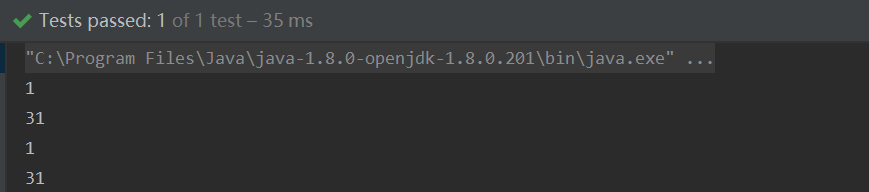 Chronology 判断是否闰年 判断是否闰年是由年表Chronology 提供的,通常情况下,我们使用ISO下的年表,是IsoChronology 。 看下代码实现
@Override
public boolean isLeapYear(long prolepticYear) {
return ((prolepticYear & 3) == 0) && ((prolepticYear % 100) != 0 || (prolepticYear % 400) == 0);
}
好精炼的代码,值得我们研究研究 闰年的基本判定方法: 1、非整百年:能被4整除的为闰年。(如2004年就是闰年,2001年不是闰年) 2、整百年:能被400整除的是闰年。(如2000年是闰年,1900年不是闰年) ((prolepticYear & 3) == 0) && ((prolepticYear % 100) != 0 || (prolepticYear % 400) == 0);
讯享网 这段代码用了两个条件,这两个条件都符合,才是闰年。 * (prolepticYear & 3) == 0 * (prolepticYear % 100) != 0 || (prolepticYear % 400) == 0 (prolepticYear & 3) == 0 用了与运算符“&”,其使用规律如下: 两个操作数中位都为1,结果才为1,否则结果为0。 3 的二进制是011 ,prolepticYear & 3 目的是保留最后2位二进制数,然后判断是否最后两位二进制数等于0。如果等于0,证明能被4整除。闰年一定要满足是4的倍数的条件; (prolepticYear % 100) != 0 || (prolepticYear % 400) == 0 这个就比较好理解了,看是不是100的倍数或者是不是400 倍数。 而且小虚竹发现java.time.Year#isLeap() 用的实现代码逻辑是一样的
public static boolean isLeap(long year) {
return ((year & 3) == 0) && ((year % 100) != 0 || (year % 400) == 0);
}
即使是巨佬写的代码,也存在代码的复用性问题 上面IsoChronology 是对Chronology接口接口的isLeapYear实现,MinguoChronology等实现类的isLeapYear,互用了IsoChronology的isLeapYear方法。 //MinguoChronology
public boolean isLeapYear(long prolepticYear) {
return IsoChronology.INSTANCE.isLeapYear(prolepticYear + YEARS_DIFFERENCE);
}
讯享网 巨佬是有考虑复用的,在MinguoChronology等实现类已经有复用了。 java.time.Year#isLeap() 的优先级高,因为它是静态方法。isoChronology \*\* 可以引Year.isLeap\*\* Year \*\* 不可以引Chronology.isLeapYear\*\* 。 博主发现在IsoChronology \*\* 的resolveYMD\*\* 中已经存在了对Year.isLeap 的引用。  有的工具类会为了减少外部类依赖,重新写一次底层方法,避免外部类(或是不在一个包底下)的类依赖,这个已经用了,说不过去 。所以代码是存在复用性问题的。 实战
int year = 2020; System.out.println(Year.isLeap(year)); System.out.println(IsoChronology.INSTANCE.isLeapYear(year)); LocalDate localDate = LocalDate.of(2021,9,7); LocalDateTime localDateTime = LocalDateTime.now(); System.out.println(localDate.isLeapYear()); System.out.println(localDateTime.toLocalDate().isLeapYear()); 讯享网  比较日期时间的先后 基本上都有这四个比较方法::compareTo()、isBefore()、isAfter()、和equals() 比较-LocalDate
LocalDate localDate1 = LocalDate.of(2021, 8, 14); // 比较指定日期和参数日期,返回正数,那么指定日期时间较晚(数字较大):13 int i = localDate1.compareTo(LocalDate.of(2021, 8, 1)); System.out.println(i); // 比较指定日期是否比参数日期早(true为早):true System.out.println(localDate1.isBefore(LocalDate.of(2021,8,31))); // 比较指定日期是否比参数日期晚(true为晚):false System.out.println(localDate1.isAfter(LocalDate.of(2021,8,31))); // 比较两个日期是否相等:true System.out.println(localDate1.isEqual(LocalDate.of(2021, 8, 14))); 讯享网  比较-LocalTime
LocalTime localTime1 = LocalTime.of(23, 26, 30); LocalTime localTime2 = LocalTime.of(23, 26, 32); // 两个时间进行比较 大返回1,小就返回-1,一样就返回0:-1 System.out.println(localTime1.compareTo(localTime2)); // 比较指定时间是否比参数时间早(true为早):true System.out.println(localTime1.isBefore(localTime2)); // 比较指定时间是否比参数时间晚(true为晚):false System.out.println(localTime1.isAfter(localTime2)); // 比较两个时间是否相等:true System.out.println(localTime1.equals(LocalTime.of(23, 26, 30))); 讯享网  比较-OffsetDateTime
LocalDateTime localDateTime1 = LocalDateTime.of(2021, 8, 15, 13, 14, 20); OffsetDateTime offsetDateTime1 = OffsetDateTime.of(localDateTime1, ZoneOffset.ofHours(8)); OffsetDateTime offsetDateTime3 = OffsetDateTime.of(localDateTime1, ZoneOffset.ofHours(8)); LocalDateTime localDateTime2 = LocalDateTime.of(2021, 8, 15, 13, 14, 30); OffsetDateTime offsetDateTime2 = OffsetDateTime.of(localDateTime2, ZoneOffset.ofHours(8)); // 两个时间进行比较 大返回1,小就返回-1,一样就返回0:-1 System.out.println(offsetDateTime1.compareTo(offsetDateTime2)); // 比较指定时间是否比参数时间早(true为早):true System.out.println(offsetDateTime1.isBefore(offsetDateTime2)); // 比较指定时间是否比参数时间晚(true为晚):false System.out.println(offsetDateTime1.isAfter(offsetDateTime2)); // 比较两个时间是否相等:true System.out.println(offsetDateTime1.equals(offsetDateTime3)); 讯享网  比较-OffsetTime
LocalTime localTime1 = LocalTime.of( 13, 14, 20); OffsetTime offsetTime1 = OffsetTime.of(localTime1, ZoneOffset.ofHours(8)); OffsetTime offsetTime3 = OffsetTime.of(localTime1, ZoneOffset.ofHours(8)); LocalTime localTime2 = LocalTime.of(13, 14, 30); OffsetTime offsetTime2 = OffsetTime.of(localTime2, ZoneOffset.ofHours(8)); // 两个时间进行比较 大返回1,小就返回-1,一样就返回0:-1 System.out.println(offsetTime1.compareTo(offsetTime2)); // 比较指定时间是否比参数时间早(true为早):true System.out.println(offsetTime1.isBefore(offsetTime2)); // 比较指定时间是否比参数时间晚(true为晚):false System.out.println(offsetTime1.isAfter(offsetTime2)); // 比较两个时间是否相等:true System.out.println(offsetTime1.equals(offsetTime3)); 讯享网  比较-ZonedDateTime
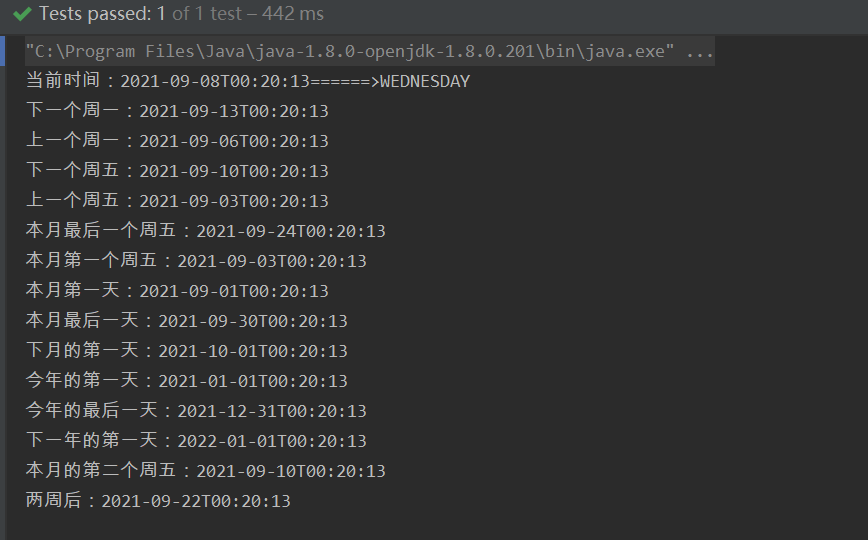
LocalDateTime localDateTime1 = LocalDateTime.of(2021, 8, 15, 13, 14, 20); ZonedDateTime zonedDateTime1 = ZonedDateTime.of(localDateTime1, ZoneOffset.ofHours(8)); ZonedDateTime zonedDateTime3 = ZonedDateTime.of(localDateTime1, ZoneOffset.ofHours(8)); LocalDateTime localDateTime2 = LocalDateTime.of(2021, 8, 15, 13, 14, 30); ZonedDateTime zonedDateTime2 = ZonedDateTime.of(localDateTime2, ZoneOffset.ofHours(8)); // 两个时间进行比较 大返回1,小就返回-1,一样就返回0:-1 System.out.println(zonedDateTime1.compareTo(zonedDateTime2)); // 比较指定时间是否比参数时间早(true为早):true System.out.println(zonedDateTime1.isBefore(zonedDateTime2)); // 比较指定时间是否比参数时间晚(true为晚):false System.out.println(zonedDateTime1.isAfter(zonedDateTime2)); // 比较两个时间是否相等:true System.out.println(zonedDateTime1.equals(zonedDateTime3)); 讯享网  计算日期时间的间隔 Duration 和\*\*Period \*\* 都有 \*\*between \*\* 方法 这个就不在重复说了,上面Duration 和Period 的常用用法里有介绍到。 TemporalAdjuster 日期校准器 | 序号 | 方法 | 描述 | | --- | --- | --- | | 1 | dayOfWeekInMonth | 返回同一个月中每周的第几天 | | 2 | firstDayOfMonth | 返回当月的第一天 | | 3 | firstDayOfNextMonth | 返回下月的第一天 | | 4 | firstDayOfNextYear | 返回下一年的第一天 | | 5 | firstDayOfYear | 返回本年的第一天 | | 6 | firstInMonth | 返回同一个月中第一个星期几 | | 7 | lastDayOfMonth | 返回当月的最后一天 | | 8 | lastDayOfNextMonth | 返回下月的最后一天 | | 9 | lastDayOfNextYear | 返回下一年的最后一天 | | 0 | lastDayOfYear | 返回本年的最后一天 | | 11 | lastInMonth | 返回同一个月中最后一个星期几 | | 12 | next / previous | 返回后一个/前一个给定的星期几 | | 13 | nextOrSame / previousOrSame | 返回后一个/前一个给定的星期几,如果这个值满足条件,直接返回 |
LocalDateTime now = LocalDateTime.of(2021,9,8,0,20,13);
System.out.println(“当前时间:” + now + “======>” + now.getDayOfWeek());
System.out.println(“下一个周一:” + now.with(TemporalAdjusters.next(DayOfWeek.MONDAY)));
System.out.println(“上一个周一:” + now.with(TemporalAdjusters.previous(DayOfWeek.MONDAY)));
System.out.println(“下一个周五:” + now.with(TemporalAdjusters.nextOrSame(DayOfWeek.FRIDAY)));
System.out.println(“上一个周五:” + now.with(TemporalAdjusters.previousOrSame(DayOfWeek.FRIDAY)));
System.out.println(“本月最后一个周五:” + now.with(TemporalAdjusters.lastInMonth(DayOfWeek.FRIDAY)));
System.out.println(“本月第一个周五:” + now.with(TemporalAdjusters.firstInMonth(DayOfWeek.FRIDAY)));
System.out.println(“本月第一天:” + now.with(TemporalAdjusters.firstDayOfMonth()));
System.out.println(“本月最后一天:” + now.with(TemporalAdjusters.lastDayOfMonth()));
System.out.println(“下月的第一天:” + now.with(TemporalAdjusters.firstDayOfNextMonth()));
System.out.println(“今年的第一天:” + now.with(TemporalAdjusters.firstDayOfYear()));
System.out.println(“今年的最后一天:” + now.with(TemporalAdjusters.lastDayOfYear()));
System.out.println(“下一年的第一天:” + now.with(TemporalAdjusters.firstDayOfNextYear()));
System.out.println(“本月的第二个周五:” + now.with(TemporalAdjusters.dayOfWeekInMonth(2,DayOfWeek.FRIDAY)));
System.out.println(“两周后:” + now.with(TemporalAdjusters.ofDateAdjuster(date -> date.plusWeeks(2))));
 (五)JSR-310:实战+源码分析 使用场景 对JDK8+中的日期时间工具类封装 项目引用 此博文的依据:hutool-5.6.5版本源码 讯享网 <dependency> <groupId>cn.hutool</groupId> <artifactId>hutool-core</artifactId> <version>5.6.5</version> </dependency>
方法摘要 | 方法 | 描述 | | --- | --- | | [cn.hutool.core.date.LocalDateTimeUtil.now()](#46f0890b-2f3f-4c07-a051-ab2f1b) | 当前时间,默认时区 | | [cn.hutool.core.date.LocalDateTimeUtil.of(java.time.Instant)](#d21267d9-a7c0-459d-aa15-d684d20b9494) | {@link Instant}转{@link LocalDateTime},使用默认时区 | | [cn.hutool.core.date.LocalDateTimeUtil.ofUTC(java.time.Instant)](#db05b388-cc0e-4f7c-ab52-ba0d8c) | {@link Instant}转{@link LocalDateTime},使用UTC时区 | | [cn.hutool.core.date.LocalDateTimeUtil.of(java.time.ZonedDateTime)](#15c3dae3-b7d8-4012-87d8-cd9c9bc91067) | {@link ZonedDateTime}转{@link LocalDateTime} | | [cn.hutool.core.date.LocalDateTimeUtil.of(java.time.Instant, java.time.ZoneId)](#75ebbd24-d6a4-4be6-a496-91b3bd494e66) | {@link Instant}转{@link LocalDateTime} | | [cn.hutool.core.date.LocalDateTimeUtil.of(java.time.Instant, java.util.TimeZone)](#f2-532c-4544-be5c-64e1a9ebeeb2) | {@link Instant}转{@link LocalDateTime} | | [cn.hutool.core.date.LocalDateTimeUtil.of(long)](#6cc78c8d-b6e1-495a-a5f8-61c2ca2b2c4e) | 毫秒转{@link LocalDateTime},使用默认时区 注意:此方法使用默认时区,如果非UTC,会产生时间偏移 | | [cn.hutool.core.date.LocalDateTimeUtil.ofUTC(long)](#69ee4ca8-85e8-42b0-b83e-95aec28c9f92) | 毫秒转{@link LocalDateTime},使用UTC时区 | | [cn.hutool.core.date.LocalDateTimeUtil.of(long, java.time.ZoneId)](#f13fdfc1-6e7d-4360-83fc-3f7d52e609b0) | 毫秒转{@link LocalDateTime},根据时区不同,结果会产生时间偏移 | | [cn.hutool.core.date.LocalDateTimeUtil.of(long, java.util.TimeZone)](#63b95c4e-d99c-47df-b94c-3b50c569c9c2) | 毫秒转{@link LocalDateTime},结果会产生时间偏移 | | [cn.hutool.core.date.LocalDateTimeUtil.of(java.util.Date)](#eb1b4b77-2144-4926-b897-b5dfcb0db93f) | {@link Date}转{@link LocalDateTime},使用默认时区 | | [cn.hutool.core.date.LocalDateTimeUtil.of(java.time.temporal.TemporalAccessor)](#ce9124e3-3065-4bbb-b402-db6e7) | {@link TemporalAccessor}转{@link LocalDateTime},使用默认时区 | | [cn.hutool.core.date.LocalDateTimeUtil.ofDate(java.time.temporal.TemporalAccessor)](#1baf439f-7fa7-446e-be55-d45459f1d4d4) | {@link TemporalAccessor}转{@link LocalDate},使用默认时区 | | [cn.hutool.core.date.LocalDateTimeUtil.parse(java.lang.CharSequence)](#f3a86672-abff-4f42-815f-cf7e3ab5102b) | 解析日期时间字符串为{@link LocalDateTime},仅支持yyyy-MM-dd’T’HH:mm:ss格式,例如:2007-12-03T10:15:30 | | [cn.hutool.core.date.LocalDateTimeUtil.parse(java.lang.CharSequence, java.time.format.DateTimeFormatter)](#fa-a008-485f-b859-45b68ce46034) | 解析日期时间字符串为{@link LocalDateTime},格式支持日期时间、日期、时间 | | [cn.hutool.core.date.LocalDateTimeUtil.parse(java.lang.CharSequence, java.lang.String)](#44ee4c0d-b9f2-4e85-81a9-cb6b96e11421) | 解析日期时间字符串为{@link LocalDateTime} | | [cn.hutool.core.date.LocalDateTimeUtil.parseDate(java.lang.CharSequence)](#ee6fdc8f-b54d-4f29-93e6-309a4fb5bca7) | 解析日期时间字符串为{@link LocalDate},仅支持yyyy-MM-dd’T’HH:mm:ss格式,例如:2007-12-03T10:15:30 | | [cn.hutool.core.date.LocalDateTimeUtil.parseDate(java.lang.CharSequence, java.time.format.DateTimeFormatter)](#06f76646-7fac-47d8-acda-8cf05f82f719) | 解析日期时间字符串为{@link LocalDate},格式支持日期 | | [cn.hutool.core.date.LocalDateTimeUtil.parseDate(java.lang.CharSequence, java.lang.String)](#8b911ebb-8863-4fd6-a459-bab6fb2e643a) | 解析日期字符串为{@link LocalDate} | | [cn.hutool.core.date.LocalDateTimeUtil.formatNormal(java.time.LocalDateTime)](#d-5ec0-4ffd-b022-a6) | 格式化日期时间为yyyy-MM-dd HH:mm:ss格式 | | [cn.hutool.core.date.LocalDateTimeUtil.format(java.time.LocalDateTime, java.time.format.DateTimeFormatter)](#fa86aae8-bb25-4938-be91-5dca24b6676f) | 格式化日期时间为指定格式 | | [cn.hutool.core.date.LocalDateTimeUtil.format(java.time.LocalDateTime, java.lang.String)](#fcd3603e-5b87-4efc-b48a-65dda) | 格式化日期时间为指定格式 | | [cn.hutool.core.date.LocalDateTimeUtil.formatNormal(java.time.LocalDate)](#0dd2b52d-661f-4cc6-867d-b5117b7f5aa0) | 格式化日期时间为yyyy-MM-dd格式 | | [cn.hutool.core.date.LocalDateTimeUtil.format(java.time.LocalDate, java.time.format.DateTimeFormatter)](#fb33d010-7318-4d6d-b08d-34c9312f03ce) | 格式化日期时间为指定格式 | | [cn.hutool.core.date.LocalDateTimeUtil.format(java.time.LocalDate, java.lang.String)](#4864e8ac-f0d5-4bd3-9227-2da2d) | 格式化日期时间为指定格式 | | [cn.hutool.core.date.LocalDateTimeUtil.offset(java.time.LocalDateTime, long, java.time.temporal.TemporalUnit)](#5bf0a447-5807-4178-8ca2-0329ac9f22e2) | 日期偏移,根据field不同加不同值(偏移会修改传入的对象) | | [cn.hutool.core.date.LocalDateTimeUtil.between(java.time.LocalDateTime, java.time.LocalDateTime)](#e7d83b0b-7512-4c96-a11e-c5a417) | 获取两个日期的差,如果结束时间早于开始时间,获取结果为负。 返回结果为{@link Duration}对象,通过调用toXXX方法返回相差单位 | | [cn.hutool.core.date.LocalDateTimeUtil.between(java.time.LocalDateTime, java.time.LocalDateTime, java.time.temporal.ChronoUnit)](#26c6e35c-c723-4166-a46b-3e30fbaf135c) | 获取两个日期的差,如果结束时间早于开始时间,获取结果为负。 返回结果为时间差的long值 | | [cn.hutool.core.date.LocalDateTimeUtil.betweenPeriod(java.time.LocalDate, java.time.LocalDate)](#055d34c4-e68c-40c1-a3fb-d33421e0ed47) | 获取两个日期的表象时间差,如果结束时间早于开始时间,获取结果为负。 比如2011年2月1日,和2021年8月11日,日相差了10天,月相差6月 | | [cn.hutool.core.date.LocalDateTimeUtil.beginOfDay(java.time.LocalDateTime)](#8e345e09-b673-4346-ac29-5cf4482b30da) | 修改为一天的开始时间,例如:2020-02-02 00:00:00,000 | | [cn.hutool.core.date.LocalDateTimeUtil.endOfDay(java.time.LocalDateTime)](#-c7ae-45b3-98d3-1ee0d439bea1) | 修改为一天的结束时间,例如:2020-02-02 23:59:59,999 | | [cn.hutool.core.date.LocalDateTimeUtil.toEpochMilli(java.time.temporal.TemporalAccessor)](#76a3389e-d1a2-4994-a85d-2fa0ec) | {@link TemporalAccessor}转换为 时间戳(从1970-01-01T00:00:00Z开始的毫秒数) | 方法明细-now() 方法名称:cn.hutool.core.date.LocalDateTimeUtil.now() 方法描述 当前时间,默认时区 支持版本及以上 参数描述: | 参数名 | 描述 | | --- | --- | 返回值: {@link LocalDateTime} 参考案例: 讯享网 Assert.assertNotNull(LocalDateTimeUtil.now()); System.out.println(LocalDateTimeUtil.now());
 源码解析: /
* 当前时间,默认时区
*
* @return {@link LocalDateTime}
*/
public static LocalDateTime now() {
return LocalDateTime.now();
}
讯享网 LocalDateTime.now() 的源码
public static LocalDateTime now() {
return now(Clock.systemDefaultZone());
}
Clock.systemDefaultZone() 用的是系统默认的时区ZoneId.systemDefault() 讯享网public static Clock systemDefaultZone() { return new SystemClock(ZoneId.systemDefault()); }
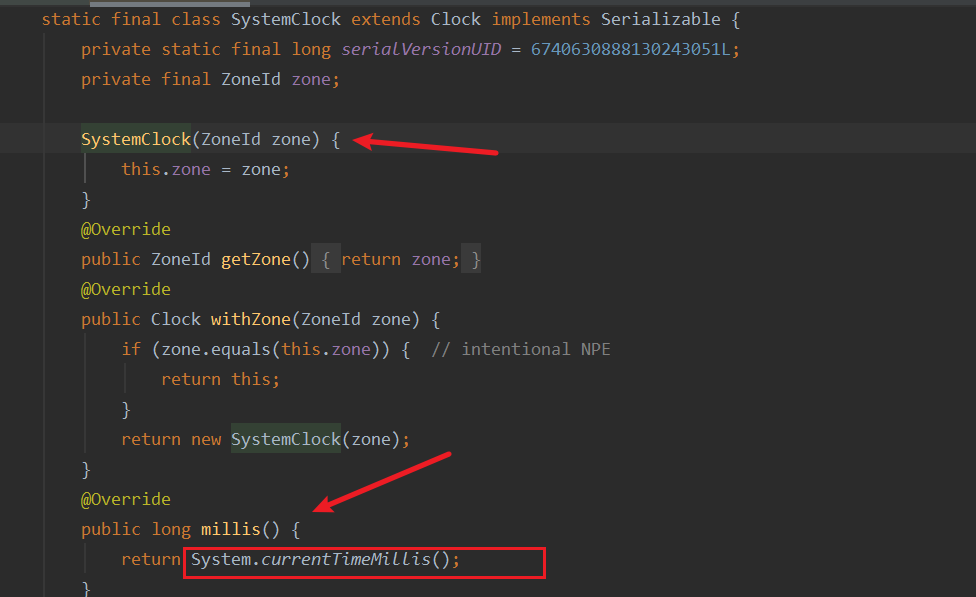 最终调用的也是System.currentTimeMillis() 方法明细-of(java.time.Instant) 方法名称:cn.hutool.core.date.LocalDateTimeUtil.of(java.time.Instant) 方法描述 {@link Instant}转{@link LocalDateTime},使用默认时区 支持版本及以上 参数描述: | 参数名 | 描述 | | --- | --- | | Instant instant | instant {@link Instant} | 返回值: {@link LocalDateTime} 参考案例: 讯享网 String dateStr = "2020-01-23 12:23:56"; final DateTime dt = DateUtil.parse(dateStr); LocalDateTime of = LocalDateTimeUtil.of(dt.toInstant()); System.out.println(of);
 源码解析: public static LocalDateTime of(Instant instant) {
return of(instant, ZoneId.systemDefault());
}
讯享网 这里使用了默认时区,所以打印出来的日期时间是带时区的。
public static LocalDateTime of(Instant instant, ZoneId zoneId) {
if (null == instant) {
return null;
}
return LocalDateTime.ofInstant(instant, ObjectUtil.defaultIfNull(zoneId, ZoneId.systemDefault()));
}
方法明细-ofUTC(java.time.Instant) 方法名称:cn.hutool.core.date.LocalDateTimeUtil.ofUTC(java.time.Instant) 方法描述 {@link Instant}转{@link LocalDateTime},使用UTC时区 支持版本及以上 参数描述: | 参数名 | 描述 | | --- | --- | | Instant instant | instant {@link Instant} | 返回值: {@link LocalDateTime} 参考案例: 讯享网 String dateStr = "2020-01-23T12:23:56"; final DateTime dt = DateUtil.parse(dateStr); LocalDateTime of = LocalDateTimeUtil.ofUTC(dt.toInstant()); Assert.assertEquals(dateStr, of.toString()); System.out.println(of);
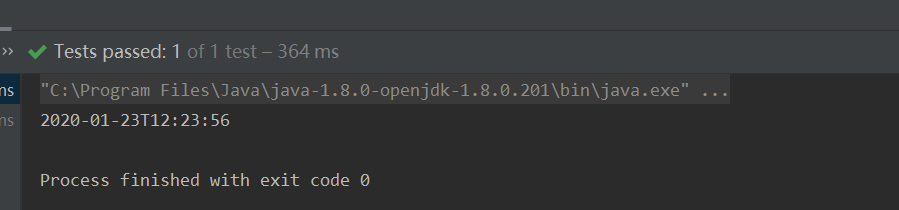 源码解析: 讯享网public static LocalDateTime ofUTC(Instant instant) { return of(instant, ZoneId.of("UTC")); }
这里使用了UTC 时区,然后调用下面的LocalDateTime.ofInstant 讯享网public static LocalDateTime of(Instant instant, ZoneId zoneId) { if (null == instant) { return null; } return LocalDateTime.ofInstant(instant, ObjectUtil.defaultIfNull(zoneId, ZoneId.systemDefault())); }
方法明细-of(java.time.ZonedDateTime) 方法名称:cn.hutool.core.date.LocalDateTimeUtil.of(java.time.ZonedDateTime) 方法描述 {@link ZonedDateTime}转{@link LocalDateTime} 支持版本及以上 参数描述: | 参数名 | 描述 | | --- | --- | | ZonedDateTime zonedDateTime | zonedDateTime {@link ZonedDateTime} | 返回值: {@link LocalDateTime} 参考案例: 讯享网 String dateStr = "2021-05-21T11:23:56"; final DateTime dt = DateUtil.parse(dateStr); //使用默认时区 LocalDateTime localDateTime = LocalDateTimeUtil.of(dt); System.out.println(localDateTime); ZonedDateTime zonedDateTime = localDateTime.atZone(ZoneId.systemDefault()); System.out.println(zonedDateTime); zonedDateTime = localDateTime.atZone( ZoneId.of("Asia/Shanghai")); System.out.println(zonedDateTime); LocalDateTime of = LocalDateTimeUtil.of(zonedDateTime); Assert.assertNotNull(of); Assert.assertEquals("2021-05-21T11:23:56", of.toString());
 源码解析: public static LocalDateTime of(ZonedDateTime zonedDateTime) {
if (null == zonedDateTime) {
return null;
}
return zonedDateTime.toLocalDateTime();
}
讯享网 这里先判断了参数 是否空值 然后调用zonedDateTime.toLocalDateTime() 我们知道zonedDateTime 和LocalDateTime 是可以直接转化的 方法明细-of(java.time.Instant, java.time.ZoneId) 方法名称:cn.hutool.core.date.LocalDateTimeUtil.of(java.time.Instant, java.time.ZoneId) 方法描述 {@link Instant}转{@link LocalDateTime} 支持版本及以上 参数描述: | 参数名 | 描述 | | --- | --- | | Instant instant | instant {@link Instant} | | ZoneId zoneId | zoneId 时区 | 返回值: {@link LocalDateTime} 参考案例:
String dateStr = "2021-05-21T11:23:56"; final DateTime dt = DateUtil.parse(dateStr); LocalDateTime of = LocalDateTimeUtil.of(dt.getTime(), ZoneId.of("UTC")); Assert.assertNotNull(of); Assert.assertEquals(dateStr, of.toString()); of = LocalDateTimeUtil.of(dt.getTime(), ZoneId.of("Asia/Shanghai")); Assert.assertNotNull(of); Assert.assertEquals("2021-05-21T19:23:56", of.toString()); 讯享网 源码解析:
public static LocalDateTime of(Instant instant, ZoneId zoneId) { if (null == instant) { return null; } return LocalDateTime.ofInstant(instant, ObjectUtil.defaultIfNull(zoneId, ZoneId.systemDefault())); } 讯享网 这里先判断了参数 是否空值 然后执行了LocalDateTime.ofInstant(instant, ObjectUtil.defaultIfNull(zoneId, ZoneId.systemDefault())) 这里可拆分两部分: 1、ObjectUtil.defaultIfNull(zoneId, ZoneId.systemDefault()) 2、LocalDateTime.ofInstant(instant, zoneId) ObjectUtil.defaultIfNull(zoneId, ZoneId.systemDefault()) 的源码
public static <T> T defaultIfNull(final T object, final T defaultValue) { return (null != object) ? object : defaultValue; } 讯享网 这个很好理解,判断值是否为null ,如果是返回默认值,如果不是,原值返回。 \*\*LocalDateTime.ofInstant(instant, zoneId) \*\* 是jdk8自带的源生方法 方法明细-of(java.time.Instant, java.util.TimeZone) 方法名称:cn.hutool.core.date.LocalDateTimeUtil.of(java.time.Instant, java.util.TimeZone) 方法描述 {@link Instant}转{@link LocalDateTime} 支持版本及以上 参数描述: | 参数名 | 描述 | | --- | --- | | Instant instant | instant {@link Instant} | | TimeZone timeZone | timeZone 时区 | 返回值: {@link LocalDateTime} 参考案例:
String dateStr = "2021-05-21T11:23:56"; // 通过转换获取的Instant为UTC时间 Instant instant1 = DateUtil.parse(dateStr).toInstant(); LocalDateTime localDateTime = LocalDateTimeUtil.of(instant1,TimeZone.getTimeZone(ZoneId.of("Asia/Shanghai"))); Assert.assertEquals("2021-05-21T19:23:56", localDateTime.toString()); System.out.println(localDateTime); 讯享网 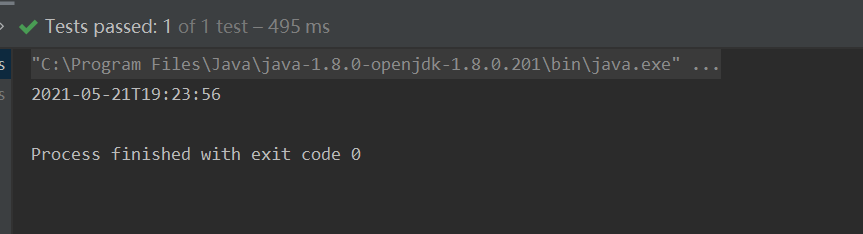 源码解析:
public static LocalDateTime of(Instant instant, TimeZone timeZone) { if (null == instant) { return null; } return of(instant, ObjectUtil.defaultIfNull(timeZone, TimeZone.getDefault()).toZoneId()); } 讯享网 这里先判断了参数 是否空值 然后执行了LocalDateTime.ofInstant(timeZone, zoneId) 这里可拆分两部分: 1、ObjectUtil.defaultIfNull(timeZone, ObjectUtil.defaultIfNull(timeZone, TimeZone.getDefault()).toZoneId()) 2、LocalDateTime.ofInstant(timeZone, zoneId) ObjectUtil.defaultIfNull(timeZone, ObjectUtil.defaultIfNull(timeZone, TimeZone.getDefault()).toZoneId()) 的源码
public static <T> T defaultIfNull(final T object, final T defaultValue) { return (null != object) ? object : defaultValue; } 讯享网 这个很好理解,判断值是否为null ,如果是返回默认值,如果不是,原值返回。 \*\*LocalDateTime.ofInstant(instant, zoneId) \*\* 是jdk8自带的源生方法 方法明细-of(long) 方法名称:cn.hutool.core.date.LocalDateTimeUtil.of(long) 方法描述 毫秒转{@link LocalDateTime},使用默认时区 注意:此方法使用默认时区,如果非UTC,会产生时间偏移 支持版本及以上 参数描述: | 参数名 | 描述 | | --- | --- | | long epochMilli | epochMilli 从1970-01-01T00:00:00Z开始计数的毫秒数 | 返回值: {@link LocalDateTime} 参考案例:
String dateStr = "2021-05-22 10:23:56"; Long time = DateUtil.parse(dateStr).getTime(); // 使用默认时区 LocalDateTime localDateTime = LocalDateTimeUtil.of(time); Assert.assertEquals("2021-05-22T10:23:56", localDateTime.toString()); System.out.println(localDateTime); 讯享网  源码解析:
public static LocalDateTime of(long epochMilli) { return of(Instant.ofEpochMilli(epochMilli)); } 讯享网 这是把long转成Instant
public static Instant ofEpochMilli(long epochMilli) {
long secs = Math.floorDiv(epochMilli, 1000);
int mos = (int)Math.floorMod(epochMilli, 1000);
return create(secs, mos * 1000_000);
}
然后再调用of(Instant) public static LocalDateTime of(Instant instant) {
return of(instant, ZoneId.systemDefault());
}
讯享网 方法明细-ofUTC(long) 方法名称:cn.hutool.core.date.LocalDateTimeUtil.ofUTC(long) 方法描述 毫秒转{@link LocalDateTime},使用UTC时区 支持版本及以上 参数描述: | 参数名 | 描述 | | --- | --- | | long epochMilli | epochMilli 从1970-01-01T00:00:00Z开始计数的毫秒数 | 返回值: {@link LocalDateTime} 参考案例:
String dateStr = "2021-05-22T10:23:56"; Long time = DateUtil.parse(dateStr).getTime(); // 使用UTC时区 LocalDateTime localDateTime = LocalDateTimeUtil.ofUTC(time); Assert.assertEquals("2021-05-22T10:23:56", localDateTime.toString()); System.out.println(localDateTime); 讯享网 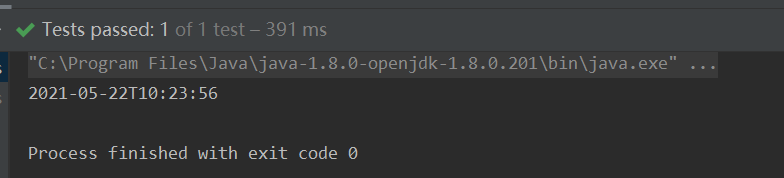 源码解析:
public static LocalDateTime ofUTC(long epochMilli) {
return ofUTC(Instant.ofEpochMilli(epochMilli));
}
这是把long转成Instant public static Instant ofEpochMilli(long epochMilli) {
long secs = Math.floorDiv(epochMilli, 1000);
int mos = (int)Math.floorMod(epochMilli, 1000);
return create(secs, mos * 1000_000);
}
讯享网 然后再调用ofUTC(Instant)
public static LocalDateTime ofUTC(Instant instant) {
return of(instant, ZoneId.of(“UTC”));
}
方法明细-of(long, java.time.ZoneId) 方法名称:cn.hutool.core.date.LocalDateTimeUtil.of(long, java.time.ZoneId) 方法描述 毫秒转{@link LocalDateTime},根据时区不同,结果会产生时间偏移 支持版本及以上 参数描述: | 参数名 | 描述 | | --- | --- | | long epochMilli | epochMilli 从1970-01-01T00:00:00Z开始计数的毫秒数 | | ZoneId zoneId | zoneId 时区 | 返回值: {@link LocalDateTime} 参考案例: 讯享网 String dateStr = "2021-05-22T10:23:56"; Long time = DateUtil.parse(dateStr).getTime(); LocalDateTime localDateTime = LocalDateTimeUtil.of(time,ZoneId.of("Asia/Shanghai")); Assert.assertEquals("2021-05-22T18:23:56", localDateTime.toString());
源码解析: /
* 毫秒转{@link LocalDateTime},根据时区不同,结果会产生时间偏移
*
* @param epochMilli 从1970-01-01T00:00:00Z开始计数的毫秒数
* @param zoneId 时区
* @return {@link LocalDateTime}
*/
public static LocalDateTime of(long epochMilli, ZoneId zoneId) {
return of(Instant.ofEpochMilli(epochMilli), zoneId);
}
讯享网 这是把long转成Instant
public static Instant ofEpochMilli(long epochMilli) {
long secs = Math.floorDiv(epochMilli, 1000);
int mos = (int)Math.floorMod(epochMilli, 1000);
return create(secs, mos * 1000_000);
}
然后再调用of(Instant, zoneId) 上面的方法已经分析多次,就不再重复水字数。 方法明细-of(long, java.util.TimeZone) 方法名称:cn.hutool.core.date.LocalDateTimeUtil.of(long, java.util.TimeZone) 方法描述 毫秒转{@link LocalDateTime},结果会产生时间偏移 支持版本及以上 参数描述: | 参数名 | 描述 | | --- | --- | | long epochMilli | epochMilli 从1970-01-01T00:00:00Z开始计数的毫秒数 | | TimeZone timeZone | timeZone 时区 | 返回值: {@link LocalDateTime} 参考案例: 讯享网 String dateStr = "2021-05-22T10:23:56"; Long time = DateUtil.parse(dateStr).getTime(); LocalDateTime localDateTime = LocalDateTimeUtil.of(time, TimeZone.getTimeZone(ZoneId.of("Asia/Shanghai"))); Assert.assertEquals("2021-05-22T18:23:56", localDateTime.toString());
源码解析: public static LocalDateTime of(long epochMilli, TimeZone timeZone) {
return of(Instant.ofEpochMilli(epochMilli), timeZone);
}
讯享网 这是把long转成Instant
public static Instant ofEpochMilli(long epochMilli) {
long secs = Math.floorDiv(epochMilli, 1000);
int mos = (int)Math.floorMod(epochMilli, 1000);
return create(secs, mos * 1000_000);
}
然后再调用of(Instant, timeZone) 上面的方法已经分析多次,就不再重复水字数。 方法明细-of(java.util.Date) 方法名称:cn.hutool.core.date.LocalDateTimeUtil.of(java.util.Date) 方法描述 {@link Date}转{@link LocalDateTime},使用默认时区 支持版本及以上 参数描述: | 参数名 | 描述 | | --- | --- | | Date date | date Date对象 | 返回值: {@link LocalDateTime} 参考案例: 讯享网String dateStr = "2021-05-22 10:23:56"; DateTime date = DateUtil.parse(dateStr); //使用默认时区 LocalDateTime localDateTime = LocalDateTimeUtil.of(date); Assert.assertEquals("2021-05-22T10:23:56", localDateTime.toString());
源码解析: 讯享网public static LocalDateTime of(Date date) { if (null == date) { return null; } if (date instanceof DateTime) { return of(date.toInstant(), ((DateTime) date).getZoneId()); } return of(date.toInstant()); }
此方法是把Date 强转为LocalDateTime 好习惯,先判断参数date是否为空 if (date instanceof DateTime) {
return of(date.toInstant(), ((DateTime) date).getZoneId());
}
讯享网 这个DateTime 是hutool自己封装的对象,继承于Date ,封装了一些常用的方法  如果不是前两者的话,就调用of(date.Instant) 方法明细-of(java.time.temporal.TemporalAccessor) 方法名称:cn.hutool.core.date.LocalDateTimeUtil.of(java.time.temporal.TemporalAccessor) 方法描述 {@link TemporalAccessor}转{@link LocalDateTime},使用默认时区 支持版本及以上 参数描述: | 参数名 | 描述 | | --- | --- | | TemporalAccessor temporalAccessor | temporalAccessor {@link TemporalAccessor} | 返回值: {@link LocalDateTime} 参考案例:
String dateStr = "2021-05-22T10:23:56"; //使用默认时区 TemporalAccessor temporalAccessor = DateTimeFormatter.ISO_DATE_TIME.parse(dateStr); LocalDateTime localDateTime = LocalDateTimeUtil.of(temporalAccessor); Assert.assertEquals("2021-05-22T10:23:56", localDateTime.toString()); 讯享网 源码解析:
public static LocalDateTime of(TemporalAccessor temporalAccessor) { if (null == temporalAccessor) { return null; } if(temporalAccessor instanceof LocalDate){ return ((LocalDate)temporalAccessor).atStartOfDay(); } return LocalDateTime.of( TemporalAccessorUtil.get(temporalAccessor, ChronoField.YEAR), TemporalAccessorUtil.get(temporalAccessor, ChronoField.MONTH_OF_YEAR), TemporalAccessorUtil.get(temporalAccessor, ChronoField.DAY_OF_MONTH), TemporalAccessorUtil.get(temporalAccessor, ChronoField.HOUR_OF_DAY), TemporalAccessorUtil.get(temporalAccessor, ChronoField.MINUTE_OF_HOUR), TemporalAccessorUtil.get(temporalAccessor, ChronoField.SECOND_OF_MINUTE), TemporalAccessorUtil.get(temporalAccessor, ChronoField.NANO_OF_SECOND) ); } 讯享网 因为入参TemporalAccessor time的实现类常用的有如下几个(java8提供的): * LocalDateTime * LocalDate * LocalTime 好习惯,先判断参数temporalAccessor是否为空 然后判断temporalAccessor是否为LocalDate对象,如果是则调用LocalDate.atStartOfDay(),返回值是localDate+‘00:00’
//LocalDate
public LocalDateTime atStartOfDay() {
return LocalDateTime.of(this, LocalTime.MIDNIGHT);
}
/
* The time of midnight at the start of the day, ‘00:00’.
*/
public static final LocalTime MIDNIGHT;
讯享网
public static LocalDateTime of(LocalDate date, LocalTime time) {
Objects.requireNonNull(date, “date”);
Objects.requireNonNull(time, “time”);
return new LocalDateTime(date, time);
}
最后通过LocalDateTime.of 方法获取LocalDateTime对象的值。 但是博主发现一个问题,LocalTime 是没有年月日的,那怎么转化为LocalDateTime ,我们来写个demo看看效果 LocalTime localTime = LocalTime.now();
LocalDateTime localDateTime = LocalDateTimeUtil.of(localTime);
System.out.println(localDateTime);
讯享网 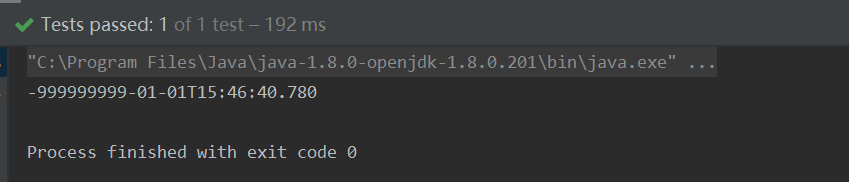 居然没有报错,这是为什么呢
return LocalDateTime.of(
TemporalAccessorUtil.get(temporalAccessor, ChronoField.YEAR),
TemporalAccessorUtil.get(temporalAccessor, ChronoField.MONTH_OF_YEAR),
TemporalAccessorUtil.get(temporalAccessor, ChronoField.DAY_OF_MONTH),
TemporalAccessorUtil.get(temporalAccessor, ChronoField.HOUR_OF_DAY),
TemporalAccessorUtil.get(temporalAccessor, ChronoField.MINUTE_OF_HOUR),
TemporalAccessorUtil.get(temporalAccessor, ChronoField.SECOND_OF_MINUTE),
TemporalAccessorUtil.get(temporalAccessor, ChronoField.NANO_OF_SECOND)
);
这里也是hutool自己封装的方法,都是调用\*\*public static int get(TemporalAccessor temporalAccessor, TemporalField field) \*\* 源码如下 public static int get(TemporalAccessor temporalAccessor, TemporalField field) {
if (temporalAccessor.isSupported(field)) {
return temporalAccessor.get(field);
}
讯享网 这个代码很好理解,就是取temporalAccessor 对象对应的属性值,如果不存在,则取这个属性值的最小值。 断点看效果: 1、localtime是不存在year属性的  2、取这个字段的最小值。  其他字段获取方式也差不多。 方法明细-ofDate(java.time.temporal.TemporalAccessor) 方法名称:cn.hutool.core.date.LocalDateTimeUtil.ofDate(java.time.temporal.TemporalAccessor) 方法描述 {@link TemporalAccessor}转{@link LocalDate},使用默认时区 支持版本及以上 5.3.10 参数描述: | 参数名 | 描述 | | --- | --- | | TemporalAccessor temporalAccessor | temporalAccessor {@link TemporalAccessor} | 返回值: {@link LocalDate} 参考案例:
String dateStr = "2021-05-22T10:23:56"; //使用默认时区 TemporalAccessor temporalAccessor = DateTimeFormatter.ISO_DATE_TIME.parse(dateStr); LocalDate localDate = LocalDateTimeUtil.ofDate(temporalAccessor); Assert.assertEquals("2021-05-22", localDate.toString()); 讯享网 源码解析:
public static LocalDate ofDate(TemporalAccessor temporalAccessor) { if (null == temporalAccessor) { return null; } if(temporalAccessor instanceof LocalDateTime){ return ((LocalDateTime)temporalAccessor).toLocalDate(); } return LocalDate.of( TemporalAccessorUtil.get(temporalAccessor, ChronoField.YEAR), TemporalAccessorUtil.get(temporalAccessor, ChronoField.MONTH_OF_YEAR), TemporalAccessorUtil.get(temporalAccessor, ChronoField.DAY_OF_MONTH) ); } 讯享网 因为入参TemporalAccessor time的实现类常用的有如下几个(java8提供的): * LocalDateTime * LocalDate * LocalTime 好习惯,先判断参数temporalAccessor是否为空 然后判断temporalAccessor是否为LocalDateTime对象,如果是则调用LocalDateTime.toLocalDate(),返回值是localDate,因为LocalDateTime=localDate+LocalTime 最后通过LocalDate.of 方法获取LocalDate对象的值。 方法明细-parse(java.lang.CharSequence) 方法名称:cn.hutool.core.date.LocalDateTimeUtil.parse(java.lang.CharSequence) 方法描述 解析日期时间字符串为{@link LocalDateTime},仅支持yyyy-MM-dd’T’HH:mm:ss格式,例如:2007-12-03T10:15:30 支持版本及以上 参数描述: | 参数名 | 描述 | | --- | --- | | CharSequence text | text 日期时间字符串 | 返回值: {@link LocalDateTime} 参考案例:
final LocalDateTime localDateTime = LocalDateTimeUtil.parse("2020-01-23T12:23:56"); Assert.assertEquals("2020-01-23T12:23:56", localDateTime.toString()); 讯享网  源码解析:
/\*\* * 解析日期时间字符串为{@link LocalDateTime},仅支持yyyy-MM-dd’T’HH:mm:ss格式,例如:2007-12-03T10:15:30
*
* @param text 日期时间字符串
* @return {@link LocalDateTime}
*/
public static LocalDateTime parse(CharSequence text) {
return parse(text, (DateTimeFormatter)null);
}
讯享网 请看下面的源码分析。 方法明细-parse(java.lang.CharSequence, java.time.format.DateTimeFormatter) 方法名称:cn.hutool.core.date.LocalDateTimeUtil.parse(java.lang.CharSequence, java.time.format.DateTimeFormatter) 方法描述 解析日期时间字符串为{@link LocalDateTime},格式支持日期时间、日期、时间 支持版本及以上 参数描述: | 参数名 | 描述 | | --- | --- | | CharSequence text | text 日期时间字符串 当formatter为null时,字符串要符合格式2020-01-23T12:23:56 | | DateTimeFormatter formatter | formatter 日期格式化器,预定义的格式见:{@link DateTimeFormatter} | 返回值: {@link LocalDateTime} 参考案例:
final LocalDateTime localDateTime = LocalDateTimeUtil.parse("2020-01-23T12:23:56", DateTimeFormatter.ISO_DATE_TIME); Assert.assertEquals("2020-01-23T12:23:56", localDateTime.toString()); System.out.println(localDateTime); 讯享网  源码解析:
public static LocalDateTime parse(CharSequence text, DateTimeFormatter formatter) { if (null == text) { return null; } if (null == formatter) { return LocalDateTime.parse(text); } return of(formatter.parse(text)); } 讯享网 如果有同学对CharSequence 对象陌生的话,那对String 应该不会陌生,String 是CharSequence 的实现接口
public final class String
implements java.io.Serializable, Comparable, CharSequence {
…
}
DateTimeFormatter 是jdk8提供的日期时间格式化器,用来替换我们的老朋友 simpledateformat 。 好习惯,先判断参数CharSequence是否为空 然后再判断参数DateTimeFormatter 是否为空,如果为空,则直接调用LocalDateTime.parse(text) 来看看源码 public static LocalDateTime parse(CharSequence text) {
return parse(text, DateTimeFormatter.ISO_LOCAL_DATE_TIME);
}
讯享网 这里用的日期格式化字符串要像这种格式的: > > such as ‘2011-12-03T10:15:30’ > > > 那如果传入的CharSequence参数不是这种格式的字符串,会是什么结果
//符合格式2020-01-23T12:23:56
LocalDateTime localDateTime = LocalDateTimeUtil.parse(“2020-01-23T12:23:56”, DateTimeFormatter.ISO_DATE_TIME);
Assert.assertEquals(“2020-01-23T12:23:56”, localDateTime.toString());
System.out.println(localDateTime);
//不符合格式的
DateTimeFormatter dateTimeFormatter = null;
localDateTime = LocalDateTimeUtil.parse(“2020-01-23”, dateTimeFormatter);
System.out.println(localDateTime);
执行结果,在预料之中,直接报错,这里是个坑,大家要注意 > > java.time.format.DateTimeParseException: Text ‘2020-01-23’ could not be parsed at index 10 > > >  最后调用of(formatter.parse(text)) formatter.parse(text) 返回结果是TemporalAccessor,不一定是我们想要的LocalDateTime ,所以还要再通过of转一下 formatter.parse(text) 是原生JDK8自带的方法。 方法明细-parse(java.lang.CharSequence, java.lang.String) 方法名称:cn.hutool.core.date.LocalDateTimeUtil.parse(java.lang.CharSequence, java.lang.String) 方法描述 解析日期时间字符串为{@link LocalDateTime} 支持版本及以上 参数描述: | 参数名 | 描述 | | --- | --- | | CharSequence text | text 日期时间字符串 | | String format | format 日期格式,类似于yyyy-MM-dd HH:mm:ss,SSS | 返回值: {@link LocalDateTime} 参考案例: 讯享网 final LocalDateTime localDateTime = LocalDateTimeUtil.parse("2020-01-23", DatePattern.NORM_DATE_PATTERN); Assert.assertEquals("2020-01-23T00:00", localDateTime.toString());
源码解析: 讯享网public static LocalDateTime parse(CharSequence text, String format) { if (null == text) { return null; } DateTimeFormatter formatter = null; if(StrUtil.isNotBlank(format)){ // 修复yyyyMMddHHmmssSSS格式不能解析的问题 // fix issue#1082 //see https://stackoverflow.com/questions//is-java-time-failing-to-parse-fraction-of-second // jdk8 bug at: https://bugs.openjdk.java.net/browse/JDK- if(StrUtil.startWithIgnoreEquals(format, DatePattern.PURE_DATETIME_PATTERN)){ final String fraction = StrUtil.removePrefix(format, DatePattern.PURE_DATETIME_PATTERN); if(ReUtil.isMatch("[S]{1,2}", fraction)){ //将yyyyMMddHHmmssS、yyyyMMddHHmmssSS的日期统一替换为yyyyMMddHHmmssSSS格式,用0补 text += StrUtil.repeat('0', 3-fraction.length()); } formatter = new DateTimeFormatterBuilder() .appendPattern(DatePattern.PURE_DATETIME_PATTERN) .appendValue(ChronoField.MILLI_OF_SECOND, 3) .toFormatter(); } else{ formatter = DateTimeFormatter.ofPattern(format); } } return parse(text, formatter); }
养成好习惯,先判断参数CharSequence和format是否为空 这边针对jdk8的一个bug进行了兼容处理 1、在正常配置按照标准格式的字符串日期,是能够正常转换的。如果月,日,时,分,秒在不足两位的情况需要补0,否则的话会转换失败,抛出异常。 讯享网 DateTimeFormatter DATE_TIME_FORMATTER = DateTimeFormatter.ofPattern("yyyy-MM-dd HH:mm:ss.SSS"); LocalDateTime dt1 = LocalDateTime.parse("2021-7-20 23:46:43.946", DATE_TIME_FORMATTER); System.out.println(dt1);
会报错:  java.time.format.DateTimeParseException: Text ‘2021-7-20 23:46:43.946’ could not be parsed at index 5
讯享网 分析原因:是格式字符串与实际的时间不匹配 “yyyy-MM-dd HH:mm:ss.SSS” “2021-7-20 23:46:43.946” 中间的月份格式是MM,实际时间是7 解决方案:保持格式字符串与实际的时间匹配
DateTimeFormatter DATE_TIME_FORMATTER = DateTimeFormatter.ofPattern("yyyy-MM-dd HH:mm:ss.SSS"); LocalDateTime dt1 = LocalDateTime.parse("2021-07-20 23:46:43.946", DATE_TIME_FORMATTER); System.out.println(dt1); 讯享网  方法明细-parseDate(java.lang.CharSequence) 方法名称:cn.hutool.core.date.LocalDateTimeUtil.parseDate(java.lang.CharSequence) 方法描述 解析日期时间字符串为{@link LocalDate},仅支持yyyy-MM-dd’T’HH:mm:ss格式,例如:2007-12-03T10:15:30 支持版本及以上 5.3.10 参数描述: | 参数名 | 描述 | | --- | --- | | CharSequence text | text 日期时间字符串 | 返回值: {@link LocalDate} 参考案例:
LocalDate localDate = LocalDateTimeUtil.parseDate("2020-01-23"); Assert.assertEquals("2020-01-23", localDate.toString()); 讯享网 源码解析:
/\*\* * 解析日期时间字符串为{@link LocalDate},仅支持yyyy-MM-dd’T’HH:mm:ss格式,例如:2007-12-03T10:15:30
*
* @param text 日期时间字符串
* @return {@link LocalDate}
* @since 5.3.10
*/
public static LocalDate parseDate(CharSequence text) {
return parseDate(text, (DateTimeFormatter)null);
}
讯享网 请看下面的源码分析。 方法明细-parseDate(java.lang.CharSequence, java.time.format.DateTimeFormatter) 方法名称:cn.hutool.core.date.LocalDateTimeUtil.parseDate(java.lang.CharSequence, java.time.format.DateTimeFormatter) 方法描述 解析日期时间字符串为{@link LocalDate},格式支持日期 支持版本及以上 5.3.10 参数描述: | 参数名 | 描述 | | --- | --- | | CharSequence text | text 日期时间字符串 | | DateTimeFormatter formatter | formatter 日期格式化器,预定义的格式见:{@link DateTimeFormatter} | 返回值: {@link LocalDate} 参考案例:
final LocalDateTime localDateTime = LocalDateTimeUtil.parse("12:23:56", DatePattern.NORM_TIME_PATTERN); Assert.assertEquals("12:23:56", localDateTime.toLocalTime().toString()); 讯享网 源码解析:
public static LocalDate parseDate(CharSequence text, DateTimeFormatter formatter) { if (null == text) { return null; } if (null == formatter) { return LocalDate.parse(text); } return ofDate(formatter.parse(text)); } 讯享网 如果有同学对CharSequence 对象陌生的话,那对String 应该不会陌生,String 是CharSequence 的实现接口
public final class String
implements java.io.Serializable, Comparable, CharSequence {
…
}
DateTimeFormatter 是jdk8提供的日期时间格式化器,用来替换我们的老朋友 simpledateformat 。 好习惯,先判断参数CharSequence是否为空 然后再判断参数DateTimeFormatter 是否为空,如果为空,则直接调用LocalDate.parse(text) 来看看源码 public static LocalDate parse(CharSequence text) {
return parse(text, DateTimeFormatter.ISO_LOCAL_DATE);
}
讯享网 这里用的日期格式化字符串要像这种格式的: > > such as ‘2011-12-03’ > > > 最后调用of(formatter.parse(text)) formatter.parse(text) 返回结果是TemporalAccessor,不一定是我们想要的LocalDate ,所以还要再通过of转一下 formatter.parse(text) 是原生JDK8自带的方法。 方法明细-parseDate(java.lang.CharSequence, java.lang.String) 方法名称:cn.hutool.core.date.LocalDateTimeUtil.parseDate(java.lang.CharSequence, java.lang.String) 方法描述 解析日期字符串为{@link LocalDate} 支持版本及以上 参数描述: | 参数名 | 描述 | | --- | --- | | CharSequence text | text 日期字符串 | | String format | format 日期格式,类似于yyyy-MM-dd | 返回值: {@link LocalDateTime} 参考案例:
//第一个参数和第二个参数格式保持一致 LocalDate localDate = LocalDateTimeUtil.parseDate("2020-01-23 12:23:56","yyyy-MM-dd hh:mm:ss"); Assert.assertEquals("2020-01-23", localDate.toString()); localDate = LocalDateTimeUtil.parseDate("2020/01/23 12:23:56","yyyy/MM/dd hh:mm:ss"); Assert.assertEquals("2020-01-23", localDate.toString()); 讯享网 源码解析:
public static LocalDate parseDate(CharSequence text, String format) { if (null == text) { return null; } return parseDate(text, DateTimeFormatter.ofPattern(format)); } 讯享网 请看上面的源码分析。 方法明细-formatNormal(java.time.LocalDateTime) 方法名称:cn.hutool.core.date.LocalDateTimeUtil.formatNormal(java.time.LocalDateTime) 方法描述 格式化日期时间为yyyy-MM-dd HH:mm:ss格式 支持版本及以上 5.3.11 参数描述: | 参数名 | 描述 | | --- | --- | | LocalDateTime time | time {@link LocalDateTime} | 返回值: 格式化后的字符串 参考案例:
final LocalDateTime localDateTime = LocalDateTimeUtil.parse("2020-01-23T12:23:56"); String format = LocalDateTimeUtil.formatNormal(localDateTime); Assert.assertEquals("2020-01-23 12:23:56", format); 讯享网 源码解析:
/\*\* * 格式化日期时间为yyyy-MM-dd HH:mm:ss格式
*
* @param time {@link LocalDateTime}
* @return 格式化后的字符串
* @since 5.3.11
*/
public static String formatNormal(LocalDateTime time) {
return format(time, DatePattern.NORM_DATETIME_FORMATTER);
}
//------------------------------
public static String format(LocalDateTime time, DateTimeFormatter formatter) {
return TemporalAccessorUtil.format(time, formatter);
}
讯享网 TemporalAccessorUtil 类是hutool封装的工具类,看下面的源码,也是比较好理解的。
//TemporalAccessorUtil
/
* 格式化日期时间为指定格式
*
* @param time {@link TemporalAccessor}
* @param formatter 日期格式化器,预定义的格式见:{@link DateTimeFormatter}
* @return 格式化后的字符串
* @since 5.3.10
*/
public static String format(TemporalAccessor time, DateTimeFormatter formatter) {
if (null == time) {
return null;
}
if(null == formatter){
formatter = DateTimeFormatter.ISO_LOCAL_DATE_TIME;
}
try {
return formatter.format(time);
} catch (UnsupportedTemporalTypeException e){
if(time instanceof LocalDate && e.getMessage().contains(“HourOfDay”)){
// 用户传入LocalDate,但是要求格式化带有时间部分,转换为LocalDateTime重试
return formatter.format(((LocalDate) time).atStartOfDay());
}else if(time instanceof LocalTime && e.getMessage().contains(“YearOfEra”)){
// 用户传入LocalTime,但是要求格式化带有日期部分,转换为LocalDateTime重试
return formatter.format(((LocalTime) time).atDate(LocalDate.now()));
}
throw e;
}
}
养成好习惯,先判断参数TemporalAccessor 和DateTimeFormatter 是否为空 如果DateTimeFormatter 为空,则给默认值DateTimeFormatter.ISO\_LOCAL\_DATE\_TIME > > such as ‘2011-12-03T10:15:30’ > > > 然后调用格式化方法formatter.format(time) 如果time 不是LocalDateTime 对象,则会报错,然后在catch里做了兼容处理,对LocalDate 和 LocalTime 对象可以进行格式化处理,其他的直接返回异常。 方法明细-format(java.time.LocalDateTime, java.time.format.DateTimeFormatter) 方法名称:cn.hutool.core.date.LocalDateTimeUtil.format(java.time.LocalDateTime, java.time.format.DateTimeFormatter) 方法描述 格式化日期时间为指定格式 支持版本及以上 参数描述: | 参数名 | 描述 | | --- | --- | | LocalDateTime time | time {@link LocalDateTime} | | DateTimeFormatter formatter | formatter 日期格式化器,预定义的格式见:{@link DateTimeFormatter} | 返回值: 格式化后的字符串 参考案例: 讯享网 LocalDateTime localDateTime = LocalDateTimeUtil.parse("2020-01-23T12:23:56"); String format = LocalDateTimeUtil.format(localDateTime, DateTimeFormatter.ISO_DATE_TIME); Assert.assertEquals("2020-01-23T12:23:56", format);
源码解析: 讯享网/\*\*
* 格式化日期时间为指定格式
*
* @param time {@link LocalDateTime}
* @param formatter 日期格式化器,预定义的格式见:{@link DateTimeFormatter}
* @return 格式化后的字符串
*/
public static String format(LocalDateTime time, DateTimeFormatter formatter) {
return TemporalAccessorUtil.format(time, formatter);
}
请看上面的源码分析。 方法明细-format(java.time.LocalDateTime, java.lang.String) 方法名称:cn.hutool.core.date.LocalDateTimeUtil.format(java.time.LocalDateTime, java.lang.String) 方法描述 格式化日期时间为指定格式 支持版本及以上 参数描述: | 参数名 | 描述 | | --- | --- | | LocalDateTime time | time {@link LocalDateTime} | | String format | format 日期格式,类似于yyyy-MM-dd HH:mm:ss,SSS | 返回值: 格式化后的字符串 参考案例: 讯享网 final LocalDateTime localDateTime = LocalDateTimeUtil.parse("2020-01-23T12:23:56"); String format = LocalDateTimeUtil.format(localDateTime, DatePattern.NORM_DATETIME_PATTERN); Assert.assertEquals("2020-01-23 12:23:56", format);
源码解析: 讯享网public static String format(LocalDateTime time, String format) { if (null == time) { return null; } return format(time, DateTimeFormatter.ofPattern(format)); }
DateTimeFormatter.ofPattern(format) 执行完会返回DateTimeFormatter 然后会调用 format(time, DateTimeFormatter 方法 请看上面的源码分析。 方法明细-formatNormal(java.time.LocalDate) 方法名称:cn.hutool.core.date.LocalDateTimeUtil.formatNormal(java.time.LocalDate) 方法描述 格式化日期时间为yyyy-MM-dd格式 支持版本及以上 5.3.11 先自我介绍一下,小编浙江大学毕业,去过华为、字节跳动等大厂,目前阿里P7 深知大多数程序员,想要提升技能,往往是自己摸索成长,但自己不成体系的自学效果低效又漫长,而且极易碰到天花板技术停滞不前! 因此收集整理了一份《2024年最新网络安全全套学习资料》,初衷也很简单,就是希望能够帮助到想自学提升又不知道该从何学起的朋友。       既有适合小白学习的零基础资料,也有适合3年以上经验的小伙伴深入学习提升的进阶课程,涵盖了95%以上网络安全知识点,真正体系化! 由于文件比较多,这里只是将部分目录截图出来,全套包含大厂面经、学习笔记、源码讲义、实战项目、大纲路线、讲解视频,并且后续会持续更新 [需要这份系统化资料的朋友,可以点击这里获取](https://bbs.csdn.net/forums/4f45ff00ffa03fab5e56a57acb) 预定义的格式见:{@link DateTimeFormatter} \* @return 格式化后的字符串 \* @since 5.3.10 \*/ public static String format(TemporalAccessor time, DateTimeFormatter formatter) { if (null == time) { return null; } if(null == formatter){ formatter = DateTimeFormatter.ISO_LOCAL_DATE_TIME; } try { return formatter.format(time); } catch (UnsupportedTemporalTypeException e){ if(time instanceof LocalDate && e.getMessage().contains("HourOfDay")){ // 用户传入LocalDate,但是要求格式化带有时间部分,转换为LocalDateTime重试 return formatter.format(((LocalDate) time).atStartOfDay()); }else if(time instanceof LocalTime && e.getMessage().contains("YearOfEra")){ // 用户传入LocalTime,但是要求格式化带有日期部分,转换为LocalDateTime重试 return formatter.format(((LocalTime) time).atDate(LocalDate.now())); } throw e; } } 养成好习惯,先判断参数TemporalAccessor 和DateTimeFormatter 是否为空
如果DateTimeFormatter 为空,则给默认值DateTimeFormatter.ISO_LOCAL_DATE_TIME
such as ‘2011-12-03T10:15:30’
然后调用格式化方法formatter.format(time) 如果time 不是LocalDateTime 对象,则会报错,然后在catch里做了兼容处理,对LocalDate 和 LocalTime 对象可以进行格式化处理,其他的直接返回异常。
方法明细-format(java.time.LocalDateTime, java.time.format.DateTimeFormatter)
方法名称:cn.hutool.core.date.LocalDateTimeUtil.format(java.time.LocalDateTime, java.time.format.DateTimeFormatter)
方法描述
格式化日期时间为指定格式
支持版本及以上
参数描述:
| 参数名 | 描述 |
|---|---|
| LocalDateTime time | |
| time {@link LocalDateTime} | |
| DateTimeFormatter formatter | |
| formatter 日期格式化器,预定义的格式见:{@link DateTimeFormatter} | |
返回值:
格式化后的字符串
参考案例:
讯享网 LocalDateTime localDateTime = LocalDateTimeUtil.parse("2020-01-23T12:23:56"); String format = LocalDateTimeUtil.format(localDateTime, DateTimeFormatter.ISO_DATE_TIME); Assert.assertEquals("2020-01-23T12:23:56", format);
源码解析:
/\*\* \* 格式化日期时间为指定格式 \* \* @param time {@link LocalDateTime} \* @param formatter 日期格式化器,预定义的格式见:{@link DateTimeFormatter} \* @return 格式化后的字符串 \*/ public static String format(LocalDateTime time, DateTimeFormatter formatter) { return TemporalAccessorUtil.format(time, formatter); } 请看上面的源码分析。
方法明细-format(java.time.LocalDateTime, java.lang.String)
方法名称:cn.hutool.core.date.LocalDateTimeUtil.format(java.time.LocalDateTime, java.lang.String)
方法描述
格式化日期时间为指定格式
支持版本及以上
参数描述:
| 参数名 | 描述 |
|---|---|
| LocalDateTime time | |
| time {@link LocalDateTime} | |
| String format | |
| format 日期格式,类似于yyyy-MM-dd HH:mm:ss,SSS | |
返回值:
格式化后的字符串
参考案例:
讯享网 final LocalDateTime localDateTime = LocalDateTimeUtil.parse("2020-01-23T12:23:56"); String format = LocalDateTimeUtil.format(localDateTime, DatePattern.NORM_DATETIME_PATTERN); Assert.assertEquals("2020-01-23 12:23:56", format);
源码解析:
public static String format(LocalDateTime time, String format) { if (null == time) { return null; } return format(time, DateTimeFormatter.ofPattern(format)); } DateTimeFormatter.ofPattern(format) 执行完会返回DateTimeFormatter
然后会调用 format(time, DateTimeFormatter 方法
请看上面的源码分析。
方法明细-formatNormal(java.time.LocalDate)
方法名称:cn.hutool.core.date.LocalDateTimeUtil.formatNormal(java.time.LocalDate)
方法描述
格式化日期时间为yyyy-MM-dd格式
支持版本及以上
5.3.11
先自我介绍一下,小编浙江大学毕业,去过华为、字节跳动等大厂,目前阿里P7
深知大多数程序员,想要提升技能,往往是自己摸索成长,但自己不成体系的自学效果低效又漫长,而且极易碰到天花板技术停滞不前!
因此收集整理了一份《2024年最新网络安全全套学习资料》,初衷也很简单,就是希望能够帮助到想自学提升又不知道该从何学起的朋友。
[外链图片转存中…(img-jOo4tFw9-36)]
[外链图片转存中…(img-gNbDGO9I-37)]
[外链图片转存中…(img-x0oYR271-38)]
[外链图片转存中…(img-6pP0deWa-39)]
[外链图片转存中…(img-dtMegj8z-39)]
[外链图片转存中…(img-Q0J2sTcT-40)]
既有适合小白学习的零基础资料,也有适合3年以上经验的小伙伴深入学习提升的进阶课程,涵盖了95%以上网络安全知识点,真正体系化!
由于文件比较多,这里只是将部分目录截图出来,全套包含大厂面经、学习笔记、源码讲义、实战项目、大纲路线、讲解视频,并且后续会持续更新
需要这份系统化资料的朋友,可以点击这里获取
版权声明:本文内容由互联网用户自发贡献,该文观点仅代表作者本人。本站仅提供信息存储空间服务,不拥有所有权,不承担相关法律责任。如发现本站有涉嫌侵权/违法违规的内容,请联系我们,一经查实,本站将立刻删除。
如需转载请保留出处:https://51itzy.com/kjqy/23682.html